


Pitch Introduction
The DreamSmile Shark Tank India pitch brought a unique solution to the cosmetic medical space, addressing the insecurities many Indians face regarding their dental aesthetics. Founders Dr. Sameer Parmar and Dr. Amit Shah, both dentists based in Mumbai, entered the tank seeking ₹80 Lakhs for 6% equity, valuing their startup at ₹13.33 Crores. Their mission is to democratize the perfect smile by providing an instant, painless, and affordable alternative to traditional, invasive dental procedures. While the Sharks were initially impressed by the dramatic transformation shown in the pitch, the discussion quickly pivoted toward market size, branding instincts, and the scalability of a “clip-on” category in the Indian context.
Business Overview
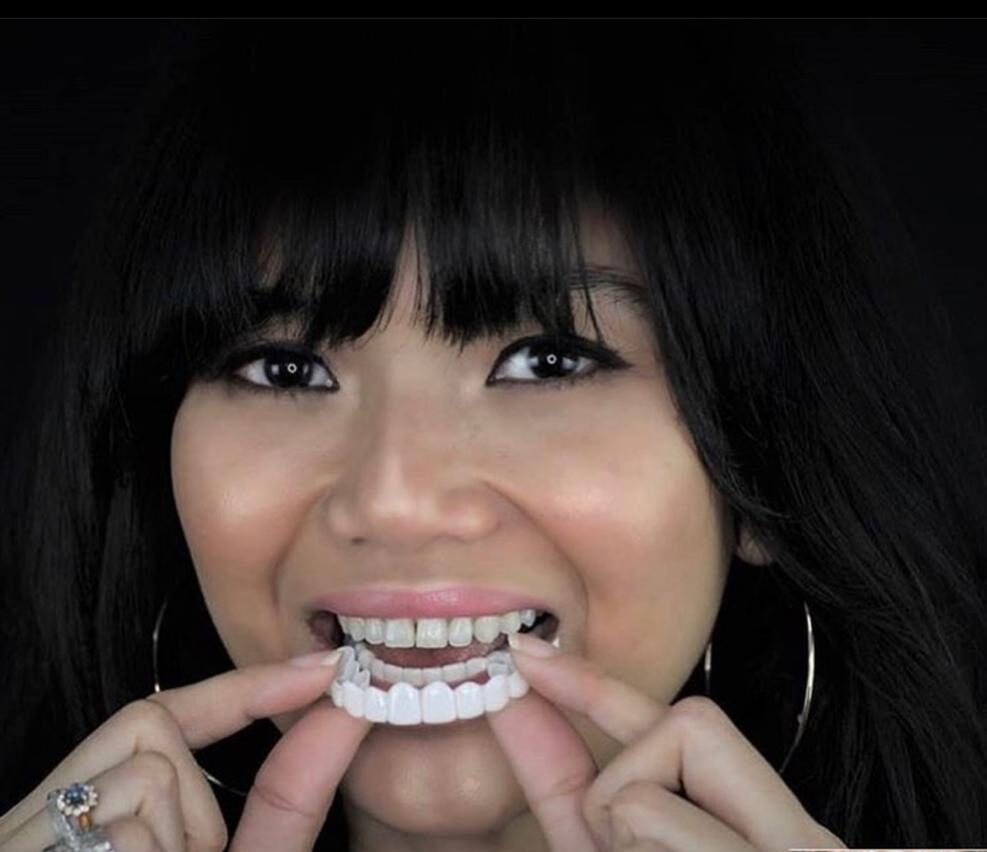
DreamSmile operates in the niche but rapidly growing dental cosmetic care market. Traditional dental treatments for yellowing, gaps, or broken teeth are often permanent, requiring the grinding of natural enamel, injections, and multiple expensive clinic visits. DreamSmile solves this by offering custom-made veneers that simply clip over existing teeth. These veneers are designed to be worn during daily activities, including talking and eating soft foods, providing a temporary yet highly effective aesthetic fix.
The company leverages modern technology to ensure a high-fidelity fit. By using CAD-CAM milling and 3D printing, they create veneers that are only 0.5 mm thick, ensuring they look natural and do not feel overly bulky in the mouth. Since their launch in late 2023, they have served over 150 customers, primarily focusing on individuals looking for a quick fix for weddings, professional events, or social media appearances.
Product Details
The core product is a 100% custom-made veneer set. Unlike generic over-the-counter covers, DreamSmile requires a precise measurement of the user’s teeth. In Tier 1 cities, they provide home visits for digital scanning, while for other regions, they ship a DIY impression kit. Once the mold or scan is received, their lab uses biocompatible materials to mill the final product. The material is flexible yet durable, designed to last 2 to 3 years with proper care. They offer multiple shades, including Milky White, Natural White, and Hollywood White, to match various skin tones and preferences.
Market Position
DreamSmile positions itself as a category creator in India. While the concept of “Pop-On Veneers” is popular in the USA, the founders noted a significant gap in the domestic market. Their primary competitive advantage is price; while permanent veneers can cost between ₹25,000 to ₹50,000 per tooth, a full set from DreamSmile costs approximately ₹15,000. This 1/10th cost factor makes it accessible to the middle-class demographic in Maharashtra and beyond. Their USP lies in the non-invasive nature of the product—no drills, no pain, and no permanent alteration of the biological tooth structure.
| Business Detail | Information |
|---|---|
| Company Name | DreamSmile |
| Founder | Dr. Sameer Parmar & Dr. Amit Shah |
| Product Type | Clip-on Dental Veneers |
| Price Range | ₹15,000 (Average Set) |
| Primary Channel | Direct-to-Consumer (D2C) |
| Headquarters | Mumbai, Maharashtra |
About Founder’s
The company was founded by two practicing dentists, Dr. Sameer Parmar and Dr. Amit Shah. Based in Mumbai, they observed the limitations of traditional cosmetic dentistry during their clinical practice. Dr. Sameer took the lead on R&D after noticing that no Indian companies were successfully implementing the clip-on model seen in the West. He invested approximately ₹18 Lakhs to import the necessary machinery and materials to begin prototyping.
- Dr. Sameer Parmar handled the initial R&D and machinery imports.
- The founders tested the product on 10 clinical patients for four months before a public launch.
- They launched the commercial entity in November 2023.
- Dr. Amit Shah personally visited the first 40 customers in Mumbai to gather feedback and refine the fit.
Shark’s and Founder’s QnA
What was the first thing you noticed in the picture I showed you?
The Sharks noticed the missing teeth. I observed that someone said the eyebrows were also missing, which shows you have an eye for detail. But for most, the first thing they notice is the smile. A smile enhances beauty and confidence, but not everyone has a naturally perfect one.
Can we actually eat with these veneers on?
Yes, we can eat normal food. At most, we suggest soft food like khichdi or roti-sabzi. We don’t recommend eating very hard things like burgers or hard nuts. I have made veneers for myself and tried them; the material is flexible enough for regular consumption.
How is this different from traditional dental caps?
For traditional caps, we have to trim the teeth, grind them, and give injections. It is irreversible. Our product requires none of that. It fits on any tooth structure, even if a tooth is partially broken or missing, and it can be removed whenever you want.
What is the cost breakdown of the ₹5,000 manufacturing cost?
Out of the ₹5,000, about 20% is raw material, 5.3% is designing, 3.3% is 3D printing the model, 2.3% is packaging, and 2.1% is courier charges. We keep a healthy margin because we sell it for ₹15,000.
Who is your primary customer profile?
Our USP is instant fix. We have many customers who have a marriage coming up in a month and need a quick fix. It is also for people with health issues like diabetes who cannot go for invasive implants, or actors in the glam industry who want a ‘Hollywood’ look temporarily.
Anupam, you mentioned the branding is confusing. Why?
Anupam Mittal pointed out that the logo says ‘DreamSmile Veneers’ but the word ‘Veneers’ is too prominent. He felt that since we are creating a category, the brand name should reflect the benefit, like ‘InstaSmile’, rather than technical terms that most people don’t understand. He felt our marketing instinct was missing.
Key Stats & Financials
At the time of the pitch, DreamSmile had a relatively short but active operational history. Having launched in late 2023, they managed to acquire a decent customer base without a large marketing budget. Their financials showed strong unit economics, though the scale was still in the early stages.
Revenue and Profitability
- Lifetime Sales: Over 150 customers served in 6-8 months.
- Gross Margins: Approximately 67% based on a ₹5,000 cost and ₹15,000 selling price.
- Valuation: Founders valued the company at ₹13.33 Crores.
- Investment Request: ₹80 Lakhs for 6% equity.
- Revenue Potential: Targetted a share of the ₹9,000 Crore dental cosmetic market.
Financial Breakdown
| Metric | Amount / Value |
|---|---|
| Total Sales to Date (Estimated) | ₹22.5 Lakhs |
| Average Unit Selling Price | ₹15,000 |
| Manufacturing Cost per Set | ₹5,000 |
| Gross Profit per Unit | ₹10,000 |
| Marketing Spend | Handled in-house via Meta Ads |
| R&D Investment | ₹18 Lakhs |
Business Potential and TAM
The business potential for DreamSmile is rooted in the massive gap in India’s dental healthcare accessibility. While India is a global hub for medical tourism, domestic cosmetic dentistry remains a luxury for the elite. The founders estimated the dental cosmetic market in India to be worth ₹9,000 Crores. This includes everything from teeth whitening to high-end porcelain veneers and orthodontic aligners. DreamSmile aims to capture the ‘middle-of-the-pyramid’ consumers who desire aesthetic improvements but are deterred by the ₹1 Crore+ lifetime cost of maintaining permanent dental work or simply cannot afford the initial ₹2 Lakhs for a full-mouth smile makeover.
Market Size Analysis
The Total Addressable Market (TAM) for cosmetic dentistry is expanding due to the ‘selfie culture’ and the rising influence of social media. In India, the Serviceable Addressable Market (SAM) includes approximately 250-300 million middle-income individuals who prioritize personal grooming. The global cosmetic dentistry market is projected to reach $50 Billion by 2030, and India is expected to be one of the fastest-growing regions. DreamSmile’s specific niche—temporary veneers—is currently underserved, providing a significant first-mover advantage if they can solve the distribution and trust hurdles associated with DIY dental kits.
Growth Opportunities
- Tier 2 and Tier 3 Expansion: High demand exists in smaller cities where specialized cosmetic dentists are rare.
- Partnership with Makeup Artists: Collaborating with the bridal makeup industry in Mumbai and Delhi for ‘Wedding Smile’ packages.
- International Shipping: Exporting to markets with high dental costs like the UK or UAE, leveraging lower Indian manufacturing costs.
- B2B Clinical Model: Providing the hardware and software to other dental clinics to offer ‘instant veneers’ as an entry-level service.
DreamSmile: Ideal Target Audience & Demographics
| Demographic | Details |
|---|---|
| Primary Age Group | 18–35 Years (Bridal & Glamour focus) |
| Secondary Age Group | 45–65 Years (Addressing tooth loss/yellowing) |
| Interests | Grooming, Fashion, Social Media, Weddings |
| Platform Preference | Instagram, YouTube, Facebook |
| Geography | Tier 1 & Tier 2 Cities in India |
| Buying Behavior | Impulse buys for events; Solution-oriented for health |
Marketing and Distribution Strategy
DreamSmile’s marketing strategy is heavily digital-first. As a D2C brand, they rely on visual proof to sell their product. The ‘Before and After’ transformation is their strongest marketing asset. They have been running Meta Ads (Facebook and Instagram) targeting specific demographics interested in weddings and cosmetic improvements. By handling marketing in-house, they have kept their initial acquisition costs manageable while learning the customer’s pain points directly through chat and video calls.
Customer Acquisition
Currently, customer acquisition happens through lead generation ads on social media. Potential leads are guided to a video call where the DIY kit is explained. This high-touch approach is necessary because the product requires the customer to perform a ‘medical’ task (taking an impression). The founders have focused on organic referrals from their early batch of 150 customers to build trust, as dental products often face skepticism regarding safety and comfort.
Distribution Channels
- Direct Website: The primary hub for all orders and kit requests.
- Home Visit Scans: Available for premium customers in Mumbai to ensure 100% fit accuracy.
- DIY Kits: Shipped pan-India to reach customers in Maharashtra, Karnataka, and beyond.
- E-commerce Marketplaces: Future plans to list on platforms like Amazon and Flipkart for wider reach.
Social Media and Content Strategy
Their content strategy focuses on User Generated Content (UGC). By showing real people wearing the veneers and speaking clearly, they address the fear that the product might affect speech or look ‘fake.’ They use Instagram Reels to showcase the 3-hour manufacturing process and the sterilization steps, which helps in establishing the brand’s medical credibility despite being a cosmetic product.
DreamSmile Shark Tank Deal Outcome
The pitch ended without an investment from the Sharks. While Aman Gupta liked the need for the product, he felt the market was too small for him to enter at this stage. Anupam Mittal was particularly critical of the branding, stating that the founders lacked the “marketing instinct” required to create a new category. He felt the brand communication was technical rather than benefit-driven. Peyush Bansal advised them to focus on technology and speed to prevent competitors from copying the model. Ultimately, the high valuation of ₹13.33 Crores for a company with early-stage sales made it difficult for the Sharks to commit.
| Shark | Offer Detail |
|---|---|
| Anupam Mittal | Out – Branding and marketing instincts missing. |
| Aman Gupta | Out – Market size concerns; too niche. | Out – Competition risks; need more innovation. |
| Namita Thapar | Out – Business model not suited for her portfolio. |
| Final Decision | No Deal |
DreamSmile Post-Show Update
Verified post-show updates for DreamSmile are not yet available. We will update this section as reliable information is published.
Business Analysis & Lessons
The DreamSmile Shark Tank India pitch highlights the difficulty of being a first-mover in a highly specialized category. The founders correctly identified a consumer pain point—expensive dental work—but struggled to convince the Sharks that a “clip-on” solution could scale beyond a few thousand units. The business model relies heavily on high-margin low-volume sales, but for a venture capital-backed scale, the Sharks were looking for a path to reach millions. The critique on branding from Anupam Mittal was a pivotal moment, showing that even with a good product, the way it is packaged and messaged determines its success in the D2C world.
One of the key challenges for DreamSmile is the DIY impression kit. If a customer fails to take a perfect mold, the final product will be uncomfortable, leading to high return rates and negative reviews. The Sharks’ hesitation also stemmed from the lack of a strong technological moat; as Peyush Bansal mentioned, once the category is proven, bigger dental players could easily launch competing products with better distribution.
Key Takeaways
- Branding Over Technicality: When creating a category, use brand names that explain the benefit (e.g., ‘InstaSmile’) rather than the product (e.g., ‘Veneers’).
- Margin vs. Volume: A 67% margin is excellent, but investors look for the ‘Explosion’ point where demand meets affordability.
- The Trust Deficit: In health and dental care, founders must focus on professional validation and medical-grade certifications to overcome DIY skepticism.
- Operational Moats: Success in D2C medical devices requires more than just imported machinery; it requires a unique customer acquisition strategy that competitors can’t easily replicate.
Pitch Conclusion
DreamSmile’s journey on Shark Tank India served as a significant learning experience for the founder-dentists. While they walked away without a cheque, the national exposure for their clip-on veneers is likely to drive significant organic traffic to their brand. If they can pivot their branding to be more consumer-friendly and lower the price point as suggested by the Sharks, they may yet disrupt the ₹9,000 Crore Indian cosmetic market. If you enjoyed this breakdown, check out DigiQure, CureSee, and Matri.
[faq_accordian]