


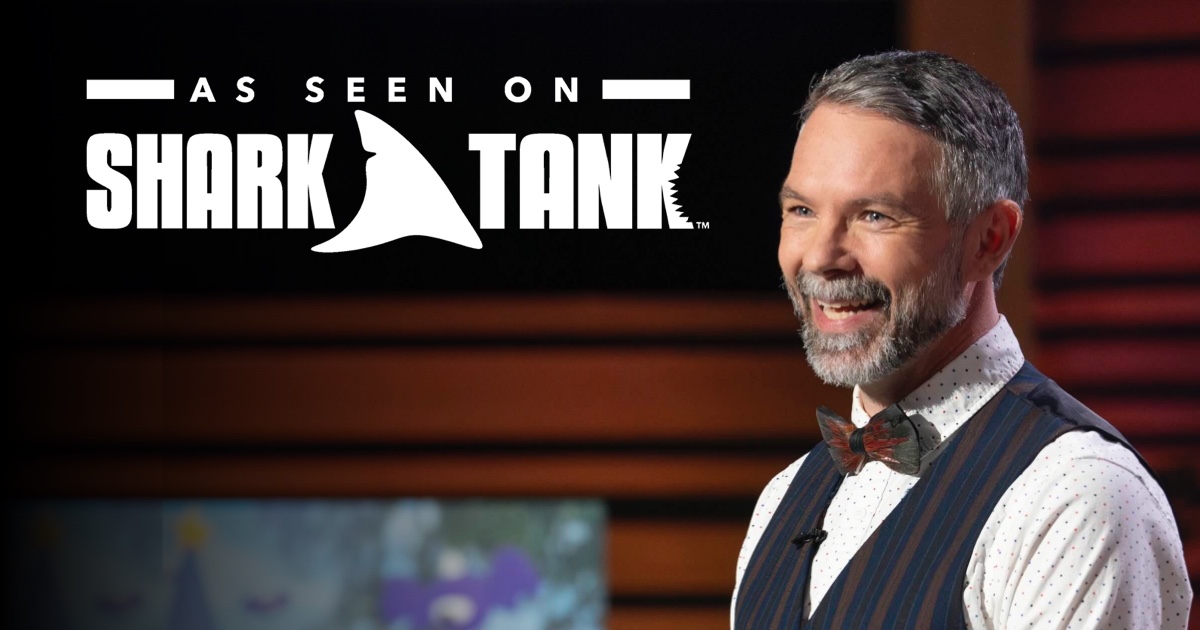

Pitch Introduction
Future Circus Shark Tank pitch introduced a groundbreaking virtual theme park experience that captivated audiences and investors alike. The company presented an innovative mixed-reality entertainment platform that transforms any public space into an immersive gaming environment. This revolutionary concept aimed to bring communities together through downloadable virtual amusement parks that could be experienced anywhere – from parks and open fields to backyards and urban centers.
Business Overview
Product/Service: Future Circus offered virtual amusement and theme parks that could be downloaded and set up in any unrestricted public space. Their mixed-reality platform combined virtual and augmented reality technologies to create immersive experiences that users could enjoy as a community. Whether in parks, open fields, arenas, or backyards, customers could gift themselves an immersive experience with Dream Park anywhere. Problem It Solves: Traditional theme parks require significant infrastructure and travel, limiting accessibility for many people. Future Circus addressed this by creating portable, downloadable entertainment experiences that eliminate the need for physical park construction while maintaining the thrill of theme park adventures. Target Market: The company targeted families, young adults, and communities seeking affordable, accessible entertainment options that could be enjoyed locally without significant travel or expense. Unique Selling Proposition (USP): Future Circus positioned itself as the world’s first outdoor mixed reality theme park, offering downloadable virtual experiences that transform any space into an interactive playground. This unique approach democratized theme park experiences, making them accessible to anyone with the required technology in virtually any location.
| Company Detail | Information |
|---|---|
| Company Name | Future Circus (later Dream Park Immersive) |
| Industry | Media/Entertainment, Gaming |
| Founded | March 2024 |
| Location | California, USA |
| Product Type | Mixed-Reality Theme Park Experiences |
| Pitch Amount | $500,000 |
| Equity Offered | 5% |
| Valuation Requested | $10,000,000 |
About Founder’s
The conception of Future Circus was the result of collaborative efforts by three individuals: Brent Bushnell, Aidan Wolf, and Kevin Habich. Each founder brought extensive technical expertise and entrepreneurial experience to develop a unique mixed-reality experience that complemented the contemporary world. Their diverse backgrounds in computer science, engineering, and game development formed the foundation for this innovative venture. The trio leveraged their combined knowledge to create technology that transforms ordinary spaces into extraordinary entertainment environments.
- Brent Bushnell – Co-founder and Electrical Engineering graduate from University of Colorado Boulder with extensive CTO experience
- Aidan Wolf – Co-founder and Computer Science graduate who developed multiple mobile games and focused on accessible artificial reality
- Kevin Habich – Co-founder and Computer Engineering graduate with software engineering experience at major corporations
- All three founders had previous entrepreneurial ventures and deep technical expertise in their respective fields
Shark’s and Founder’s QnA
What makes your mixed-reality theme park different from traditional theme parks?
We’ve created the world’s first outdoor mixed reality theme park that can be experienced anywhere. Users simply download our virtual amusement parks and set them up in any public space – parks, fields, backyards, or urban centers. Unlike traditional theme parks that require massive infrastructure and travel, our platform transforms any location into an immersive gaming environment where communities can come together for affordable entertainment.
How does the technology work for users?
Users wear comfortable clothing, tie their shoelaces, put on our VR headset, and they’re ready for adventure. Our mixed-reality system combines virtual and augmented reality elements so players can interact with digital objects in real-world spaces. The technology tracks movement and integrates digital gameplay elements seamlessly with the physical environment, creating an immersive experience that feels like traditional theme park attractions.
Why are you seeking $500,000 for 5% equity?
We’re requesting $500,000 for 5% equity, valuing our company at $10 million. This investment will accelerate our expansion, enhance our technology platform, and help us scale our operations. Having demonstrated successful pilot programs and receiving positive feedback from early adopters, we believe this valuation reflects our innovative approach to entertainment and the significant market opportunity in accessible virtual experiences.
What kind of experiences do you currently offer?
Currently, we offer Super Adventure Land, which allows players to break bricks, collect coins suspended in air or layered over lava pits, dodge cannonballs, and avoid jubbos. We’re also developing new experiences including Wand Duel arena with magic potions, fire-breathing dragons, and player vs player battles, plus a Reality Racing park featuring racer-themed experiences. Our goal is to continuously expand our library of virtual adventures.
How have you tested your concept in real-world settings?
We successfully launched at the Third Street Promenade in downtown Santa Monica, California, creating an engaging experience for visitors. We’ve also conducted events at Fort Mason Center Farmers’ Market in San Francisco and participated in the Game Developers Conference at Yerba Buena Gardens. These pilot programs showed tremendous positive feedback from participants of all ages, demonstrating strong market demand and proof of concept validation.
What’s your revenue model and pricing strategy?
We operate on a pay-per-play basis at public locations and event venues. For private events and installations, we offer various pricing tiers based on duration and customization requirements. Additionally, we’re exploring subscription models for frequent users and corporate partnerships for team-building activities. Our scalable pricing structure allows us to serve diverse customer segments from casual users to large event organizers.
Key Stats & Financials
Future Circus presented compelling financial projections and business metrics during their Shark Tank pitch. While the company was relatively new, having been founded in March 2024, they demonstrated significant traction through successful pilot programs. The founders showcased strong technical expertise and proven track records in related industries. Their projected growth trajectory indicated substantial market potential for mixed-reality entertainment experiences. The requested $500,000 investment represented a calculated step toward scaling operations and expanding their innovative platform nationwide.
- Sales: Company was pre-revenue at time of pitch but demonstrated strong pilot program results
- Margins: High-margin software and technology service model with low incremental costs
- Valuation: Requested $10 million valuation for 5% equity stake
- Investment Request: Seeking $500,000 for business expansion and technology development
- Use of Funds: Technology enhancement, operational scaling, and geographic expansion
| Financial Metric | Details |
|---|---|
| Funding Request | $500,000 |
| Equity Offered | 5% |
| Company Valuation | $10,000,000 |
| Year Founded | 2024 |
| Industry | Media/Entertainment |
Business Potential and TAM
Future Circus operated in the rapidly growing mixed-reality and entertainment technology sector. The total addressable market encompassed traditional theme parks, virtual entertainment platforms, augmented reality gaming, and community-based recreational activities. With increasing adoption of VR/AR technologies and changing consumer preferences toward accessible entertainment options, the market potential was substantial. The company’s unique positioning as a portable, downloadable theme park experience differentiated it from traditional entertainment providers while targeting similar customer demographics. The global virtual reality market was experiencing exponential growth, with entertainment and gaming applications driving significant adoption. Future Circus could potentially tap into various sub-markets including family entertainment, corporate team-building activities, public venue activations, and special event experiences. Their scalable technology platform allowed for rapid deployment across different markets and demographics, indicating strong growth potential.
- Total Addressable Market includes theme parks, VR gaming, AR entertainment, and community recreational activities
- Rapidly growing mixed-reality technology adoption across all age demographics
- Increasing demand for accessible and affordable entertainment alternatives
- Opportunity to partner with municipalities, event planners, and venue operators
Future Circus: Ideal Target Audience & Demographics
| Demographic | Details |
|---|---|
| Age Groups | Families with children, teens, young adults (12-35 years) |
| Income Level | Middle to upper-middle class households |
| Geographic Focus | Urban and suburban communities with public spaces |
| Lifestyle | Tech-savvy consumers interested in innovative entertainment |
| Event Planners | Corporate teams, community organizers, festival coordinators |
Marketing and Distribution Strategy
Future Circus implemented a grassroots marketing approach focusing on community engagement and demonstration events. Their strategy emphasized hands-on experiences at public locations, festivals, and community gatherings to showcase the unique value proposition. Partnerships with local municipalities, event venues, and entertainment complexes provided key distribution channels. Social media campaigns highlighting successful installations and user testimonials drove brand awareness. The company planned to leverage the founders’ existing networks in technology and entertainment industries for strategic partnerships. Corporate outreach targeted team-building and employee engagement opportunities. Municipal partnerships focused on revitalizing public spaces and providing innovative recreation options. Digital marketing campaigns emphasized the accessibility and affordability of their entertainment solution compared to traditional theme park visits.
- Demonstration events at public parks, festivals, and community centers
- Partnerships with municipalities for public space activation programs
- Corporate outreach for team-building and employee engagement solutions
- Social media campaigns showcasing successful installations and user experiences
Future Circus Deal Outcome
The Future Circus pitching team consisting of Brent Bushnell, Aidan Wolf, and Kevin Habich presented their innovative mixed-reality theme park concept to the Shark Tank panel. Despite demonstrating strong technical expertise and successful pilot programs, the company did not secure a deal during their pitch. Several factors contributed to this outcome, including the substantial $10 million valuation request for a pre-revenue company with limited operating history. The Sharks expressed interest in the innovative technology and concept but raised concerns about scalability, competition from established entertainment providers, and the challenges of building a sustainable business model around portable virtual experiences. While they acknowledged the founders’ credibility and technical capabilities, the investment committee felt the current financials and market penetration didn’t justify the requested valuation.
| Deal Component | Status |
|---|---|
| Amount Requested | $500,000 |
| Equity Offered | 5% |
| Valuation Requested | $10,000,000 |
| Shark Interest | Moderate technical appreciation |
| Final Decision | No deal secured |
Future Circus Post-Show Update
Following their Shark Tank appearance, Future Circus rebranded to Dream Park Immersive and continued developing their mixed-reality entertainment platform. The company successfully launched pilot programs at prominent locations including Third Street Promenade in Santa Monica and Fort Mason Farmers’ Market in San Francisco. These installations attracted significant attention and positive user feedback, validating their core concept. The team expanded their offerings to include multiple themed experiences such as Super Adventure Land, Wand Duel arena featuring magic battles, and Reality Racing park with vehicle-themed adventures. They participated in major industry events including the Game Developers Conference, further establishing their presence in the entertainment technology sector. The company continued refining their technology platform while exploring various monetization strategies and partnership opportunities with municipalities and venue operators.
Business Analysis & Lessons
The Future Circus pitch demonstrates valuable insights for technology startups seeking investment in competitive entertainment markets. The company’s strength lay in their technical expertise and innovative approach to democratizing theme park experiences. However, their high valuation request for a pre-revenue company highlighted common pitfalls in startup fundraising. The founders needed to better balance investor expectations with realistic financial projections and market positioning. Future Circus’s pivot to Dream Park Immersive after the show indicates their commitment to iteration and improvement. Their success in executing pilot programs and generating positive user feedback validates their core concept while demonstrating execution capability. The company’s ability to leverage the Shark Tank exposure for publicity and business development shows understanding of marketing value beyond immediate funding.
- High valuations for pre-revenue startups often face investor skepticism without strong traction
- Technical expertise alone doesn’t guarantee investment success; market timing and positioning matter
- Demonstrated pilot programs and user feedback can validate concepts better than projections
- Brand flexibility post-show can help companies evolve based on market response
Pitch Conclusion
Future Circus’s Shark Tank pitch showcased an innovative approach to entertainment that could revolutionize how communities access theme park experiences. While they didn’t secure funding on the show, their continued progress post-appearance demonstrates resilience and commitment to their vision. The mixed-reality entertainment space continues evolving, and their early entry positioned them as pioneers in accessible virtual experiences. Their journey illustrates that successful entrepreneurship requires balancing visionary thinking with realistic financial expectations. Companies with strong technical foundations often attract interest even without immediate deals, opening doors to alternative funding paths and strategic partnerships. Future Circus’s story encourages innovators to persist despite initial setbacks while remaining adaptable to market feedback.