



Pitch Introduction
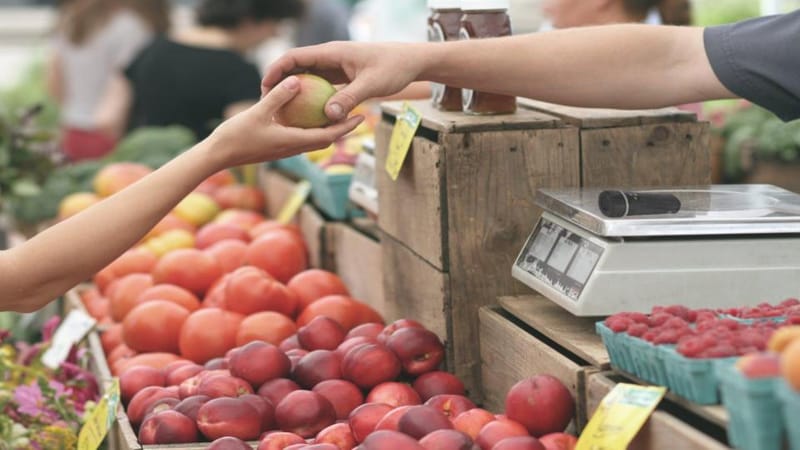
qZenseLabs Shark Tank pitch opened with a jaw-dropping ₹400 crore valuation ask—₹1 crore for 0.25 % equity—for a pocket-sized device that can look inside an apple without slicing it. Founders Dr. Srishti Batra & Rubal Chib walked into the tank demonstrating how their patented IoT scanner saves India’s ₹92,000 crore annual food wastage.
Business Overview
qZenseLabs builds handheld spectrometer-cum-olfaction sensors that non-destructively grade fruit & vegetable freshness, sweetness and ripeness in 3 seconds. Supply-chain players—exporters, wholesalers & e-commerce warehouses—rent the device plus SaaS dashboard to reduce rejections, improve price realisation and cut wastage. The USP is 95 % accuracy using near-infrared spectroscopy + AI smell signature, something no global competitor offers in a single portable unit.
| Metric | qZenseLabs (Dec 2021) |
|---|---|
| Founded | 2020 |
| Patents filed | 2 (India) |
| Devices sold | 30 |
| Price per device | ₹50 k (landing cost ₹15 k) |
| Monthly SaaS | ₹2 k per device |
| Head-quarters | Delhi & Mohali |
About Founder’s
Dr. Srishti Batra is a Delhi-based computational-biology PhD who spent 8 years modelling food-spoilage data. Rubal Chib, an electronic engineer from Punjab, carries 10 years of IoT product builds for agri-clients. They met at a food-tech hackathon in 2018, decided to marry hardware with food-spoilage algorithms and boot-strapped qZense in 2020.
- Combined core expertise: data-science + hardware supply-chain
- Raised ₹1.8 cr pre-seed (idea stage) & ₹5 cr seed at ₹24 cr valuation
- Selected among 12 global start-ups by Target USA accelerator
- Filed patents on low-cost NIR sensor fusion + olfaction array
Shark’s and Founder’s QnA
Shark Anupam Mittal
400 crore valuation—who gave you this number?
We closed a ₹5 cr seed at ₹24 cr pre-money six months back. 30 paying pilots give us confidence to project ₹5 cr topline this year leading to ₹400 cr ask.
Peyush Bansal
Your revenue model—sale or rental?
We sell the device one-time plus ₹2 k monthly SaaS rental. Large exporters opt for 3-year warehouse contracts where we instal 40–50 units and charge per-scan.
Namita Thapar
How accurate is it really?
95 % accuracy validated against destructive Brix & firmness tests at NRL Jammu and IFFCO labs. Red / Green LED plus exact sweetness number displayed in 3 seconds.
Aman Gupta
Will wastage not increase when every trader keeps rejecting produce?
The goal is informed grading, not blanket rejection. Exporter can segregate ripe lot for nearby retail and firm lot for export—overall wastage drops 30 % per our pilot with INI Farms.
Vineeta Singh
What stops competitors like IntelloLabs?
They use only computer-vision—external defects. qZense combines internal spectroscopy + smell, giving shelf-life prediction no one else provides.
Anupam Mittal
How many total devices deployed and cost?
30 devices sold; ₹15 k landed cost, sold at ₹50 k. Gross margin 70 % on hardware plus ₹24 k lifetime SaaS.
Peyush Bansal
Projected FY22 & FY23 sales?
FY22 ₹5 cr revenue from 400 devices and warehouse contracts; FY23 ₹20 cr with 1,200 devices and entry into Middle-East via MAF Carrefour pilot.
Key Stats & Financials
At the time of filming, qZense was only nine months into commercial sales. Below are the hard numbers discussed on air:
- Sales: ₹15 lakh till Dec 2021 (first commercial year)
- Margins: 70 % gross on hardware; 80 % on SaaS
- Valuation: ₹400 cr sought (1,666× revenue)
- Investment Request: ₹1 cr for 0.25 % equity
- Use of Funds: 60 % manufacturing scale, 25 % R&D for mango-specific Algo, 15 % sales team
| Financial Snapshot | INR |
|---|---|
| Seed round (Aug 21) | ₹5 cr @ ₹24 cr pre-money |
| Revenue FY21 | ₹15 lakh |
| Projected FY22 | ₹5 cr |
| Device list price | ₹50 k |
| Monthly SaaS | ₹2 k |
Business Potential and TAM
India wastes 30 % of fresh produce before it reaches plates—$12 bn yearly. Exporters lose ₹3,000 cr annually to rejection at foreign ports. A 10 % wastage reduction equals a ₹9,000 cr addressable spend on inspection tech. Globally the post-harvest quality-testing market is >$3 bn and growing 8 % CAGR. qZense can penetrate 2 % of Indian fruit export volume in five years, translating to 4,000 devices and ₹200 cr topline potential.
- Near-term beach-head: Mango, pomegranate & banana exporters
- Mid-term: Organised retail chains like BigBasket & Reliance Fresh
- Long-term: Device placed in every mandi; data sold to commodity traders
qZenseLabs: Ideal Target Audience & Demographics
| Audience | Details |
|---|---|
| Primary | APEDA registered fruit exporters (350+) |
| Secondary | 40 k commission agents in APMC mandis |
| Tertiary | Modern retail QC teams in 12 cities |
| Device buyers | 25–55 yrs, tech-curious, ₹5 cr+ turnover |
Marketing and Distribution Strategy
qZense follows a B2B consultative model. Founder-led pilots secure reference logos (INI Farms, Kimaye). APEDA showcases the device to exporters in Mumbai & Bengaluru. Channel partners—agri-input distributors—earn 10 % margin on device + 5 % on SaaS renewal. Digital outreach includes LinkedIn thought-leadership posts on wastage statistics and free WhatsApp demos. Roadmap FY24: integrate with RFID crate tags and launch pay-per-scan API inside warehouse ERP.
- Referral loop: each exporter becomes case study webinar
- Content: spoilage calculators & ROI whitepapers in Hindi & English
- Future bundling: cold-chain IoT sensors under single dashboard
qZenseLabs Deal Outcome
Despite admiration for tech, four sharks pulled out citing valuation disconnect. Vineeta Singh offered ₹1 cr for 10 % equity (₹10 cr valuation) with a countersuggestion to raise further rounds after hitting ₹5 cr revenue. Founders politely declined, intent on proving the ₹400 cr figure in follow-on funding. Therefore, no deal was accepted on the show.
| Shark | Decision |
|---|---|
| Anupam Mittal | OUT, irritated by valuation |
| Peyush Bansal | OUT |
| Aman Gupta | OUT |
| Namita Thapar | OUT |
| Vineeta Singh | Offered ₹1 cr for 10 %; not accepted |
qZenseLabs Post-Show Update
In March 2022 qZense announced a strategic investment by a Singapore-based agri-tech fund at ₹45 cr pre-money; plans 10× device production. New SKU launched for tomato paste factories in FY23 and ongoing pilots with UAE’s Al Islami Foods. The company also secured an additional grant from Gates Foundation to adapt the sensor for staples like onions and potatoes.
Business Analysis & Lessons
The episode is a textbook lesson on valuation credibility versus deep-tech ambition. While the founders showcased 95 % accuracy and a noble social impact, they arrived with only ₹15 lakh revenue—creating a 1,666× revenue multiple that even patient Sharks found untenable. Key takeaway: early-stage deep-tech founders must back lofty vision with binding purchase orders or conditional LOIs to defend a high valuation.
- Bootstrap longer or accept down-round to build revenue confidence
- Convert pilots into multi-year paid contracts before national TV pitch
- Show comparable exits to justify billion-dollar market mapping
- Use conservative projections; sharks respect ambition balanced by math
Pitch Conclusion
qZenseLabs’ Shark Tank appearance remains memorable for the highest valuation ask of Season 1. Their tech is undeniably promising for a $12 bn national wastage problem, but the pitch under-scored the timeless rule—numbers talk louder than narratives. Follow their journey to see if the ₹400 cr dream turns real in the next funding rounds. Drop your thoughts in the comments: would you pay ₹50 k for a freshness scanner?