



Pitch Introduction
Solinas Shark Tank India marked a pivotal moment for social entrepreneurship when four young engineers from IIT Madras and SRM University presented their mission to eliminate manual scavenging through robotics. Appearing in Season 2 Episode 16, the founders brought not just a business proposition but a life-saving solution to one of India’s most pressing sanitation crises. Their pitch opened with the tragic story of Kanhaiya, a sanitation worker who lost his life while manually cleaning a toxic septic tank in Chennai, highlighting that despite the 2013 ban on manual scavenging, over 330 deaths occurred between 2017 and 2021 due to this hazardous practice.
Business Overview
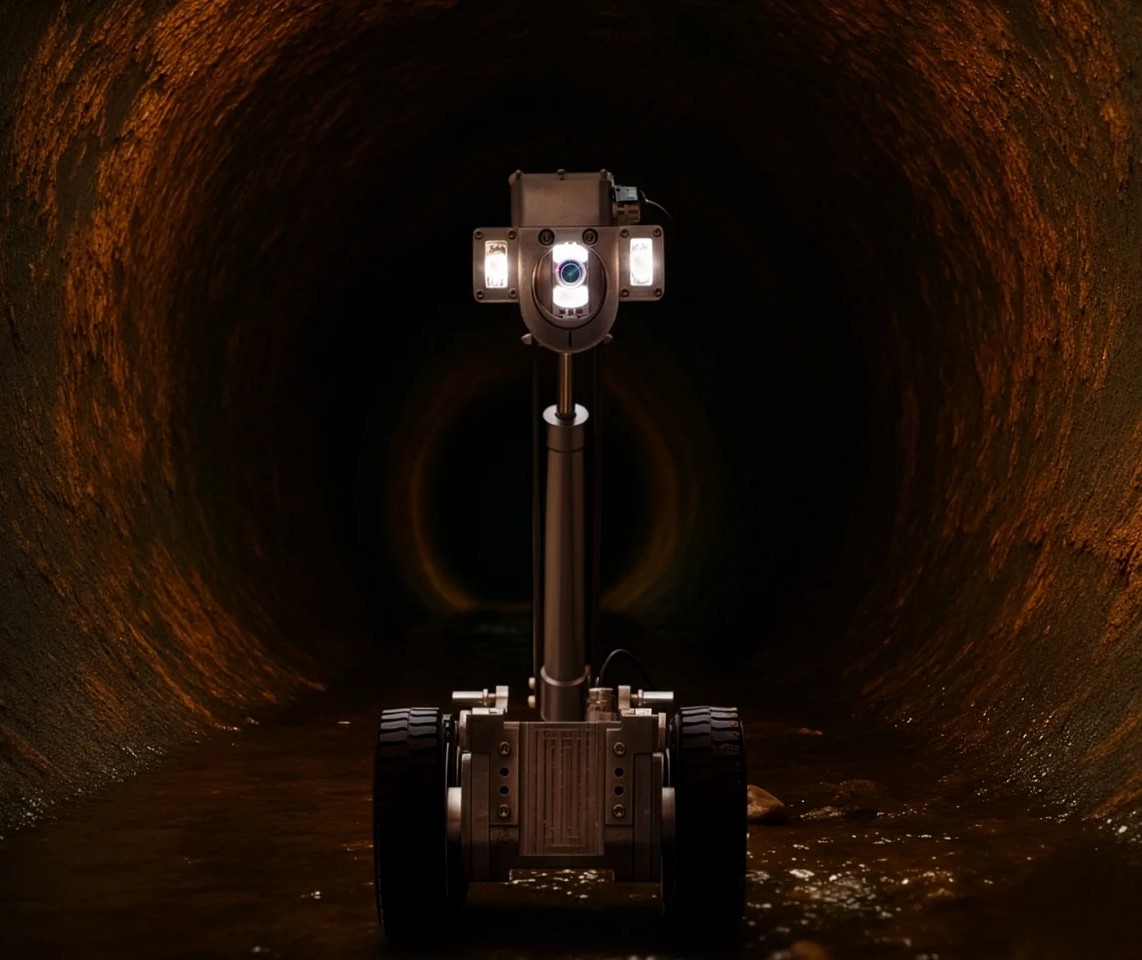
Product/Service: Solinas Integrity operates as an end-to-end water sanitation asset management company specializing in critical public infrastructure maintenance. The company has developed two flagship robotic products: Homosep, a septic tank cleaning robot that eliminates the need for human entry into hazardous environments, and Endobot, a sewer and water pipeline inspection robot capable of navigating pipes ranging from 9 cm to 90 cm in diameter.
Problem It Solves: The company addresses the illegal yet prevalent practice of manual scavenging in India, where workers manually enter septic tanks and sewers to remove toxic sludge, risking death from poisonous gases. Additionally, Solinas solves the challenge of pipeline inspection, which traditionally requires digging up roads and infrastructure, causing water wastage and traffic disruption. Their technology reduces inspection time by tenfold while conserving water and municipal budgets.
Target Market: Solinas primarily serves municipal corporations responsible for city-wide sanitation infrastructure, real estate developers maintaining underground pipeline networks, and industries with extensive septic systems. Their solutions cater to both urban smart city initiatives and rural sanitation programs requiring affordable maintenance equipment.
Unique Selling Proposition: Unlike expensive Western super-sucker machines costing upwards of 3-4 crores that only Indian metros can afford, Solinas has indigenized the technology to create affordable solutions priced between 15-25 lakhs. Their patented multi-blade system can mix the hardest bottom sludge that competitors leave behind, while their tractor-mountable units with remote-controlled suction pumps ensure complete automation without manual intervention.
| Company Attribute | Details |
|---|---|
| Legal Name | Solinas Integrity |
| Founded | 2020 |
| Headquarters | Chennai, Tamil Nadu |
| Primary Products | Homosep (Septic Robot), Endobot (Pipeline Robot) |
| Technology | Robotic Automation with Remote Monitoring |
| Patent Status | 4 Filed (2 Design Granted) |
About Founder’s
The founding team represents a powerful combination of technical expertise and diverse geographic backgrounds, united by their IIT Madras connection and commitment to social impact. Divyanshu Kumar hails from Bihar and conceived the idea during his final year mechanical engineering project at IIT Madras, working alongside his professor who became a co-founder. Bhavesh Narayani comes from Gwalior, Madhya Pradesh, and joined the mission in 2019 after being inspired by the life-saving potential of the technology during his Masters at IIT Madras. Moinak Banerjee, from Durgapur, West Bengal, holds a BTech in Mechanical Engineering from SRM University Chennai and leads the water sector technology division. Linda, the sole female co-founder from Chennai itself, manages all R&D projects and general operations while holding her own BTech in Mechanical Engineering from SRM University.
The team shares a deep personal connection to the problem they are solving. Divyanshu recalls presenting their initial prototype to sanitation workers who laughed at the safety equipment, showing their damaged skin and nails from years of manual exposure. This moment transformed their academic project into a mission-driven startup dedicated to ensuring no worker ever enters a septic tank again.
- Divyanshu Kumar: IIT Madras Mechanical Engineering, 32.5% equity holder
- Bhavesh Narayani: IIT Madras Masters, Product Head Sanitation, 8.5% equity
- Moinak Banerjee: SRM University Chennai, Water Technology Lead, 5.5% equity
- Linda: SRM University Chennai, R&D and Operations Head, 2.5% equity
- Non-executive IIT Professor co-founders hold 20% equity stake
Shark’s and Founder’s QnA
Namita Thapar: पहले आप चारों के बारे में बताइए। कहां पढ़े और फिर ये आईडिया कैसी आई?
Divyanshu Kumar: मैं गया बिहार का रहने वाला हूं। वहां से मैंने 10वीं तक पढ़ाई की। मुझे मैकेनिकल इंजीनियरिंग करना था। तो इसके लिए फिर आईआईटी मद्रास आया और फाइनल ईयर में फिर मैंने मेरा प्रोजेक्ट था होमोसे विथ माय प्रोफेसर इस आल्सो कोफाउंडर उनके साथ हमने ये शुरुआत की।
Bhavesh Narayani: मेरा नाम भवेश नारायण है। मैं ग्वालियर से बिलोंग करता हूं। बचपन में एक स्कूल से निकाल दिया गया था। तो उस दिन मैंने सपना बनाया था एक दिन मैं बड़े स्कूल में पढूंगा। इस वजह से मैं आईआईटी मद्रास में मास्टर्स की पढ़ाई करने गया। फिर मैंने देंशु और प्रोफेसर को देखा कि वो कैसे लोगों की जान बचा रहे हैं एक रोबोट के थ्रू। तो मैंने भी उनको फिर 2019 में जॉइ किया। आज मैं मतलब एज अ प्रोडक्ट हेड हूं सैनिटेशन डिपार्टमेंट का सोलनास में एज अ कोफाउंडर भी।
Moinak Banerjee: मैं मोइनाक बनर्जी मैं दुर्गापुर वेस्ट बंगाल से हूं। मैं मेरा बीटेक मैकेनिकल इंजीनियरिंग एसआरएम यूनिवर्सिटी चेन्नई से ही किया हूं। करेंटली मैं वाटर सेक्टर का जो कंप्लीट टेक्नोलॉजी है वो मैं देखता हूं।
Linda: आई एम फ्रॉम चेन्नई तमिलनाडु। अह सो आई डीड माय बीटेक इन मैकेनिकल फ्रॉम एसआरएम। एंड देन आई केम अक्रॉस सोलना। सो आई मैनेज्ड ऑल द आरएनडी प्रोजेक्ट्स एंड आई आल्सो टेक केयर ऑफ़ जनरल मैनेजमेंट ऑफ़ द कंपनी।
Anupam Mittal: सेप्टिक टैंक मतलब क्या? वेस्ट क्या होता है सेप्टिक टैंक?
Divyanshu Kumar: जो इंसानों की लैट्रिन पेशाब होती है वह जाकर सेप्टिक टैंक में कलेक्ट होती है। तो इस तरह का एक मतलब हमने सेप्टिक टैंक बनाया हुआ है। रियल जो इंसानों की लैट्रिन होती है वो नीचे ऐसे जमा हो जाती है। तो ये हमारी पेशाब और इसका मिक्सचर होता है और ऊपर आके एक फ्लोट करके। तो इस लेयर को और इस लेयर को निकालना पंप से मुमकिन है। लेकिन इस लेयर को निकालने के लिए इंसान इस मैन होल से नीचे जाया करता था।
Anupam Mittal: ये तो बहुत पुरानी प्रॉब्लम है। ग्लोबली भी ये प्रॉब्लम तो सॉल्व हो गई होगी?
Divyanshu Kumar: वेस्ट में सेप्टिक टैंक्स के लिए सुपर सकर मशीनंस का यूज़ होता है जो कि अपवर्ड्स ऑफ थ्री टू 4 करोड़ की कॉस्ट होती है। वो इंडिया में भी है हमारे पास। लेकिन आप ये सोच के देखिए कि जो विलेजेस है हमारे वो अफोर्ड ही नहीं कर सकते उस चीज को। अगर एक इंस्ट्रक्शन मशीनंस है अवेलेबल। बट दे आर वैरी एक्सपेंसिव। और जो छोटी मशीन्स अवेलेबल है जो 15-20 लाख के अवेलेबल है वो बस टॉप वाला पार्ट क्लीन करती हैं। जो बॉटम का आपका हार्ड स्लज है वो रह जाता है।
Aman Gupta: कोई पेटेंट्स फाइल किए हुए हैं?
Divyanshu Kumar: हां, होमोसेप में हमारे पास चार पेटेंट्स फाइल किए हैं। दो डिज़ाइन पेटेंट्स ग्रांटेड हैं। दो पेटेंट्स अभी। और एंडोबॉट में पेटेंट्स अभी हम फाइल कर रहे हैं।
Anupam Mittal: तो आपकी इक्विटी स्ट्रक्चर सेम है? सिमिलर है?
Divyanshu Kumar: नहीं इक्विटी स्ट्रक्चर डिफरेंट है। आई होल्ड मेजॉरिटी ऑफ़ द इक्विटी 32.5% और इनकी है अबाउट 8.5% इनकी है 5.5% और इनकी है 2.5% बाकी का सर जो आईटी के प्रोफेसर्स हैं जो हमारे कोफाउंडर्स नॉन एग्जीक्यूटिव्स हैं उनके पास अबाउट 20% है। और उसके अलावा जो अभी हमने इन्वेस्टमेंट वगैरह भी रेज की है। उनमें कुछ डिवाइड है।
Anupam Mittal: कहां से रेज किया?
Divyanshu Kumar: हमने तीन महीने पहले अपना सीन र क्लोज किया है। 4.2 करोड़ रेज किया था। उस समय हमारा पोस्ट मनी वैल्यूएशन था 26 करोड़।
Peyush Bansal: ये कितने की मशीन आती है?
Divyanshu Kumar: ये मशीन 15 से 25 लाख तक की होती है। सारी एक्सेसरीज ऐड करने पर। इंडोबर्ट का जो बिज़नेस मॉडल है वो सर्विस बेस्ड है। इसमें हम जनरली म्युसिपालिटीज को या फिर कुछ इंडस्ट्रीज आल्सो जिसका रियल स्टेट काफी बड़ा है। उनके खुद के अंडरग्राउंड सीवर वाटर पाइपलाइंस है उनको भी कैटर करते हैं।
Peyush Bansal: लास्ट ईयर हमारा जो टोटल सेल था लगभग वो कस्टमर रेवेन्यू अराउंड 1.2 करोड़ की थी। इस साल हामारा जो एआरआर है वो लगभग 5 करोड़ का है।
Vineeta Singh: इस 5 करोड़ को एक बार तोड़िए आप कितना रिकरिंग है और कितना वन टाइम मशीन बेचने का?
Divyanshu Kumar: होमोसे का जो बिज़नेस है लगभग वो तीन सवा तीन करोड़ के आसपास का हमारा ये है और उसके बाद इंडोबॉट सर्विज से हमारा लगभग 2 करोड़ का रेवेन्यू आएगा। जो मशीनें बेचीं उसमें ग्रॉस मार्जिन लगभग हमारा 60% का वो लगभग 1.7-1.8 करोड़ का बनेगा। और सर्विसेज में भी हमारा 55 से 60% का ग्रॉस मार्जिन होता है।
Aman Gupta: मार्केट साइज कितना है भाई?
Divyanshu Kumar: जनरल जो ग्लोबल मार्केट है वो लगभग 6 बिलियन डॉलर का हम देखते हैं। इंस्पेक्शन एंड इनलाइन इंस्पेक्शन एंड क्लीनिंग मार्केट। और इंडिया में लगभग फिर मैं अगर उसका 10% पे अगर 20% जो मानो जो कि इंडिया का हमारा बिग मार्केट है वो अबाउट 1.2 से 1.5 बिलियन का होगा।
Anupam Mittal: अभी एक सवाल है मेरा बहुत जरूरी। आप जनरली स्पीकिंग और आगे भी चलके मुझे लगता है आपका मेन रेवेन्यू आएगा म्युनिसिपालिटी और गवर्नमेंट से कि उसको आप कैसे हैंडल करोगे?
Divyanshu Kumar: हम म्युनिसिपालिटी के साथ एक विनविन सिचुएशन क्रिएट करते हैं जो उसके इंजीनियर्स हैं। कि आपके पास अभी 2600 कि.मी. का पाइपलाइन नेटवर्क है। अगर मैं आपको ये बताऊं कि रेगुलरली कहां-कहां पर पाइप लाइन चेंज करने की जरूरत है क्योंकि वहां पर पाइप लाइन खराब हो रही है। आपको इतनी ज्यादा डिग्रेड करने की जरूरत नहीं है। तो काम भी बढ़ेगा।
Peyush Bansal: मेरे को क्या लगता है ना आपके बिजनेस में सबसे बड़ा है आपको पार्टनर्स बनाने पड़ेंगे। आप देखिए हिंदुस्तान में ड्राइविंग को देखिए जो ट्रांसपोर्ट है जब रोजगार बना तो चाहे फूड डिलीवरी है चाहे वो राइड शेयरिंग है सब चल गया। तो भारत की बड़ी-बड़ी प्रॉब्लम्स का सॉल्यूशन इज माइक्रो एंटरप्रेन्यर्स बनाना। आपने टेक्नोलॉजी बना लिया प्रोडक्ट बना लिया पर अगर आपको जेनुइनली इंपैक्ट क्रिएट करना है आपको इस सॉल्यूशन को वि ट्रैक्टर कॉस्ट एक ऐसा अफोर्डेबल सॉल्यूशन बनाना पड़ेगा जिसमें हो सकता है कि कल को जाके लोन भी आप ही को देना पड़े। बिकॉज़ इसके लिए कौन लोन देगा? इसकी अंडरराइटिंग नहीं होगी। तो हो सकता है उसकी अंडरराइटिंग आपको करनी पड़े। तो आपको एक ही तरीका है आपको इसको बहुत अफोर्डेबल बनाना पड़ेगा। देयर इज नो चॉइस।
Divyanshu Kumar: बिल्कुल। और जितना भी इंसान को लगता है कि इससे कम नहीं हो सकता। हम इंजीनियर्स बने ही इसलिए हैं कि इससे कम हो सकता है।
Anupam Mittal: Divyanshu, आई एम नॉट डूइंग दिस फॉर एनी नेगोशिएशन। इफ यू वांट मी एंड अनुपम एज अ पार्टनर देन वी आर की। करेक्ट।
Divyanshu Kumar: ah पीयूष एंड अनुपम, वी विल टेक द डील।
Key Stats & Financials
Despite being founded just three years prior to their Shark Tank appearance, Solinas demonstrated impressive traction in the specialized robotics sanitation market. The company had already raised institutional funding at a significant valuation, indicating strong investor confidence in their proprietary technology and social mission. Their financial metrics reveal a high-margin hardware-plus-services business model capable of rapid scaling across Indian municipalities.
- Sales: Current ARR of ₹5 Crores (up from ₹1.2 Crores last year)
- Margins: 60% gross margin on Homosep sales, 55-60% on Endobot services
- Valuation: Asked at ₹45 Crores, final deal at ₹30 Crores
- Investment Request: Original ask of ₹90 Lakhs for 2% equity
- Use of Funds: Scaling manufacturing, expanding municipality partnerships, filing additional patents
| Financial Metric | Data |
|---|---|
| Original Ask | ₹90 Lakhs for 2% Equity |
| Final Deal | ₹90 Lakhs for 3% Equity |
| Pre-Money Valuation | ₹29.1 Crores |
| Post-Money Valuation | ₹30 Crores |
| Previous Round | ₹4.2 Crores at ₹26 Crores Post-Money |
| Revenue Split | Homosep ₹3.25Cr, Endobot ₹2Cr |
Business Potential and TAM
The sanitation robotics market presents a massive opportunity both globally and within India. With ageing infrastructure requiring maintenance and increasing regulatory pressure to eliminate manual scavenging, Solinas operates at the intersection of social impact and profitable enterprise. The global inline inspection and cleaning market is valued at approximately $6 billion, with India representing a significant portion due to its extensive pipeline networks and sanitation challenges.
The Indian market alone is estimated at ₹1,200 to ₹1,500 crores, driven by Smart City initiatives, AMRUT funding, and strict enforcement of the Prohibition of Employment as Manual Scavengers Act. Unlike Western markets where expensive super-sucker machines dominate, India requires cost-effective, localized solutions that can navigate narrower pipelines and variable infrastructure quality, creating a defensible market position for indigenous technology providers like Solinas.
- Global Market Size: $6 Billion for inspection and cleaning
- Serviceable Addressable Market: ₹1,200-1,500 Crores in India
- Growth Drivers: Smart City mandates, manual scavenging bans
- Scalability: Potential to reach ₹100-150 Crores revenue organically
- Competition: Largest competitor KamAvta with ₹200-500 Crore revenue
Solinas: Ideal Target Audience & Demographics
| Demographic | Details |
|---|---|
| Primary Customers | Municipal Corporations, Urban Local Bodies |
| Secondary Segment | Real Estate Developers, Industrial Campuses |
| Geographic Focus | Tier 1 Cities initially, expanding to Tier 2/3 |
| Decision Makers | Municipal Engineers, Sanitation Department Heads |
| End Beneficiaries | Sanitation Workers, Urban Households |
Marketing and Distribution Strategy
Solinas employs a B2B direct sales approach targeting government municipalities and large private infrastructure owners. Their strategy focuses on creating win-win partnerships by demonstrating cost savings through reduced water wastage and elimination of manual excavation. The company leverages pilot projects to showcase their technology’s effectiveness, converting trials into long-term service contracts.
The hardware sales model for Homosep targets entrepreneurs and existing sanitation service providers, enabling them to upgrade from dangerous manual methods to robotic cleaning. For Endobot, the company operates on a service-based model where they deploy the robots for inspection and generate recurring revenue from data analytics and maintenance reports. Future roadmap includes developing financing solutions to make the robots accessible to micro-entrepreneurs, potentially through partnerships with lending marketplaces.
- Direct B2B sales to municipal corporations and smart city projects
- Pilot-to-scale strategy demonstrating ROI before full deployment
- Hardware sales for Homosep targeting sanitation entrepreneurs
- Service-based revenue model for Endobot pipeline inspections
- Future financing solutions for micro-entrepreneur adoption
Solinas Deal Outcome
The pitch generated significant interest from multiple Sharks, resulting in competing offers. Initially, Peyush Bansal and Namita Thapar together offered ₹90 lakhs with a debt-equity structure at the previous valuation of ₹26 crores, requiring 4% equity plus ₹38 lakhs debt at 10% interest. However, Anupam Mittal and Peyush Bansal subsequently offered ₹90 lakhs for approximately 3.34% equity (rounded to 3%) entirely in equity at the same ₹26 crore valuation.
The founders attempted to negotiate better terms, countering with 2% equity at a higher ₹33 crore valuation, and subsequently requesting removal of the debt component. When Anupam Mittal made it clear that his offer was non-negotiable and final, stating that if they wanted him and Peyush as partners they must accept the terms, the founders deliberated and ultimately accepted the deal. The final agreement secured ₹90 lakhs for 3% equity, valuing the company at ₹30 crores post-investment.
| Deal Parameter | Details |
|---|---|
| Investing Sharks | Anupam Mittal & Peyush Bansal |
| Investment Amount | ₹90 Lakhs |
| Equity Diluted | 3% |
| Company Valuation | ₹30 Crores (Post-Money) |
| Competing Offer | Namita & Peyush: 90L for 4% with debt |
| Deal Status | Accepted |
Solinas Post-Show Update
Following their appearance on Shark Tank India Season 2, Solinas continued to expand their operations across multiple Indian cities. The company leveraged the Shark Tank platform to increase awareness about manual scavenging dangers and their technological solutions. With the investment from Anupam Mittal and Peyush Bansal, they accelerated their patent filing process for Endobot technology and expanded their deployment of Homosep units to additional municipalities.
The founders have maintained their focus on making the technology more affordable to enable micro-entrepreneur adoption, working toward Peyush Bansal’s vision of creating a tractor-cost solution that can be financed easily. The company continues to save lives by preventing human entry into septic tanks while building a sustainable business model in the essential sanitation infrastructure sector.
Business Analysis & Lessons
The Solinas pitch exemplifies how deep technical innovation combined with social impact can attract premium investors even in hardware-heavy sectors. The founders demonstrated exceptional clarity in understanding their market, competition, and unit economics. Their decision to accept a lower valuation with the right strategic partners rather than holding out for higher numbers shows mature founder thinking prioritizing long-term value over short-term optics.
The negotiation dynamics reveal important lessons about investor-founder fit. When Anupam Mittal drew a hard line on valuation, citing fairness to previous investors and his own value-add, the founders recognized that the strategic mentorship from two IIT alumni who understand deep tech and scaling was worth the equity dilution. This underscores that beyond money, the right investors bring domain expertise and networks that justify standardization of valuation.
- Deep technical moats through patented indigenous technology command investor respect
- Social impact businesses require balancing mission with sustainable unit economics
- Strategic investor fit outweighs marginal valuation improvements
- Hardware businesses need clear paths to affordability for mass adoption
- Maintaining fairness to previous investors builds long-term credibility
Pitch Conclusion
Solinas Shark Tank India stands as a testament to how young Indian engineers can transform critical social challenges into scalable technology businesses. By eliminating the need for manual scavenging through their Homosep and Endobot robots, Divyanshu Kumar, Bhavesh Narayani, Moinak Banerjee, and Linda are not just building a company but saving lives. Their successful deal with Anupam Mittal and Peyush Bansal provides them with the strategic guidance and capital to scale their sanitation revolution across India’s smart cities.
The pitch reminds us that the best startups emerge from personal connection to problems, technical excellence, and unwavering commitment to execution. As Solinas continues to expand, they represent the future of Indian innovation solving uniquely Indian problems with world-class technology. What are your thoughts on robotics solutions for sanitation? Share your views in the comments below.