



Pitch Introduction
In a high-stakes beauty pitch during Season 16, Sugar Doh Shark Tank founder Aliyah Marandiz walked into the tank seeking $500K for a 5% stake in her rapidly growing hair removal business. Representing the city of Austin, Texas, Aliyah brought a modern twist to an ancient hair removal technique known as sugaring. With a valuation of $10M, she aimed to prove that her sticky, taffy-like product was more than just a TikTok trend—it was a retail powerhouse ready to disrupt the global hair removal market. However, as the Sharks dug into the numbers, they discovered a business grappling with the classic ‘growing pains’ of hyper-growth, debt, and the ‘retail trap’ of rapid expansion into 1300 Ulta stores.
Business Overview
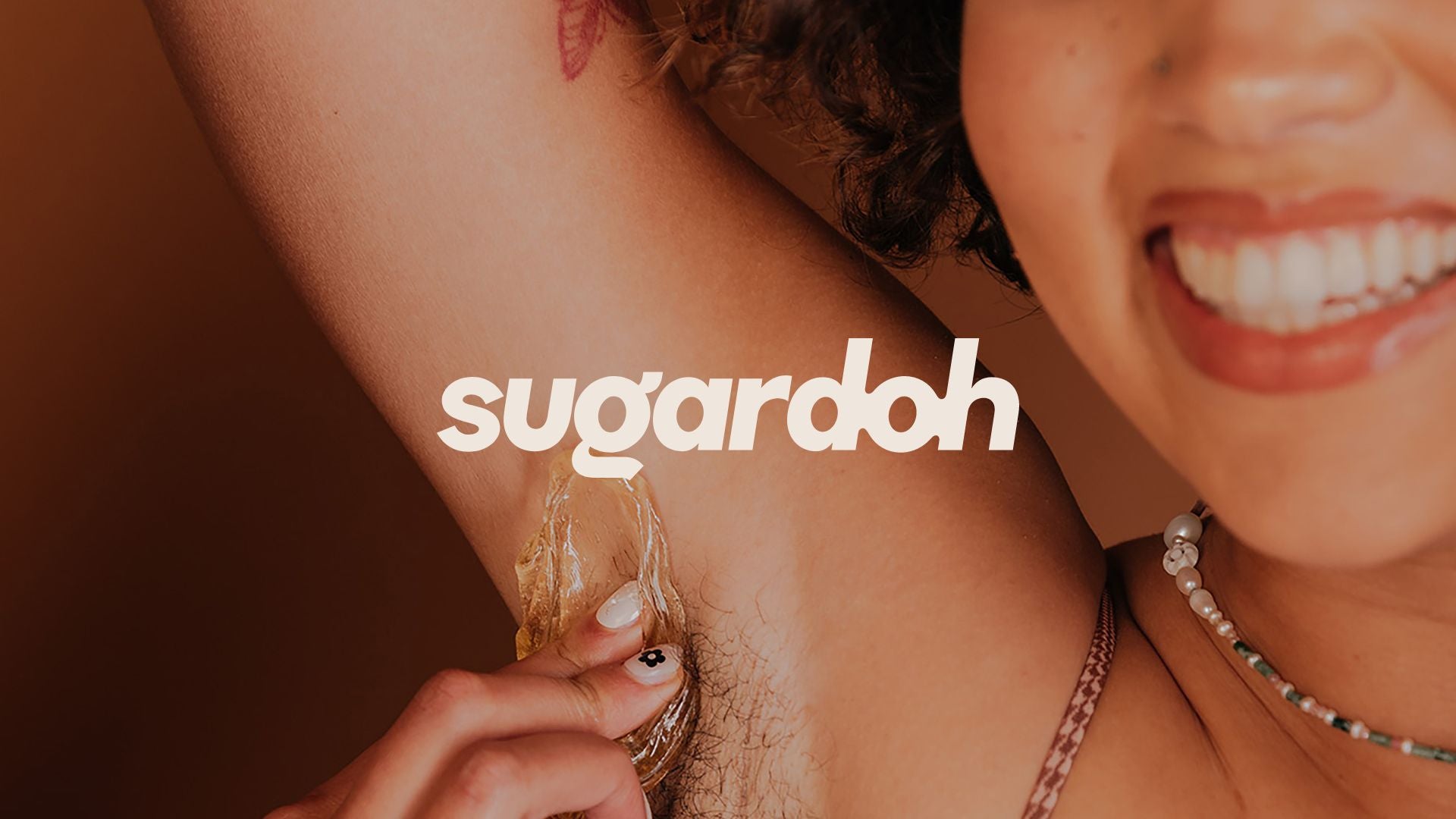
Sugar Doh offers a sustainable, skin-friendly alternative to traditional waxing and shaving. Unlike wax, which often contains synthetic resins and requires heating, Sugar Doh is made from just three food-grade ingredients: sugar, water, and citric acid. The product works by adhering only to the hair and dead skin cells, rather than the live skin, making it significantly less painful for users with sensitive skin. The application is unique; users flick the ‘dough’ against the grain of hair growth and pull with the grain, which helps prevent ingrown hairs and irritation.
The company positioned itself as the ‘hair removal sweetener,’ targeting a younger demographic of Gen Z and Millennial consumers who are increasingly conscious of ingredient transparency and environmental impact. By offering a compostable product that requires no strips or spatulas, Sugar Doh hit a major chord in the eco-conscious beauty space. This alignment with modern consumer values helped the brand achieve massive organic reach on social media platforms shortly after its launch.
Product Details
The core product is a firm sugar paste that maintains a taffy-like consistency at room temperature. It is specifically designed for at-home use, eliminating the need for expensive warmers or messy professional setups. Each jar of Sugar Doh is reusable for multiple sessions, as the paste can be ‘worked’ by the hands until it becomes too saturated with hair. The brand also offers pre-sugaring powders and post-sugaring mists to ensure a complete professional-grade experience. Its formulation is 100% biodegradable, making it one of the few truly zero-waste options in the depilatory industry.
Market Position
Sugar Doh occupies a unique niche between high-end professional sugaring salons and cheap drugstore wax strips. By making a difficult professional technique accessible to the DIY consumer, they effectively created a new sub-category in the $10B hair removal market. Their primary competitive advantage lies in their proprietary manufacturing process, which Aliyah spent two years perfecting. This process ensures the sugar paste remains stable and effective across different climates and shelf-lives, a common technical hurdle for homemade or artisanal sugar waxes.
| Business Detail | Information |
|---|---|
| Company Name | Sugar Doh |
| Founder | Aliyah Marandiz |
| Product Type | Natural Hair Removal Paste |
| Price Range | $30 – $45 |
| Primary Channel | D2C and Ulta Beauty |
| Headquarters | Austin, Texas |
About Founder’s
Aliyah Marandiz is a first-generation American entrepreneur who turned a personal struggle with sensitive skin and ‘strawberry legs’ into a multi-million dollar business. Growing up, she was familiar with the traditional Mediterranean sugaring methods but found that the commercial products available in the US were either too difficult to use or filled with harsh chemicals. According to her profile on Entrepreneur, she focuses on building community-led brands that prioritize inclusivity and sustainability.
- Spent 24 months in R&D to stabilize the sugar dough formula for commercial shipping.
- Launched the brand during the 2020 pandemic when salons were closed, creating a perfect market entry.
- Invested $400K of personal and family savings to scale production as demand exploded.
- Successfully navigated the transition from a purely digital brand to a major retail partner with Ulta.
Shark’s and Founder’s QnA
Is there anything proprietary about this? It seems like an ancient recipe.
You’re right, sugaring dates back to Phoenician times. However, what we have built is a proprietary manufacturing process. It took us two years to figure out how to make this shelf-stable and consistent at scale. Most sugaring products are made in small batches and fail in retail environments; our formulation and production line are our IP.
Walk us through these incredible sales numbers. How did you grow so fast?
We launched in 2020 and did $50K. In 2021, we went viral on TikTok, and sales jumped to $2.6M. By 2022, we reached $5.6M in total revenue. We started entirely as a D2C brand, then expanded to Amazon, and finally into 300 Ulta Beauty stores by the end of 2022.
With $5.6M in sales, how much profit did you make?
Actually, I didn’t make any money on that $5.6M. We were operating with a 60% gross margin, which was too low for our customer acquisition costs and the logistics of retail. This year, we have moved manufacturing in-house and updated our suppliers, which has pushed our margins up to 80%.
Wait, you said you have $1.5M in debt. Where did that come from?
The debt is primarily from inventory and scaling. We have $1M in inventory right now to support our 1300 Ulta locations. Some of that debt is a high-interest line of credit at 22% interest, which is why I am here. I need to restructure that and get more working capital.
Mark Cuban: Why did you go into 1300 stores so quickly if the margins weren’t there?
Retail was a massive opportunity for us to reach customers who were hesitant to buy a ‘goop’ online without seeing it. We wanted to be where our customers shop. It was a risk, but it established us as the category leader in sugaring within the largest beauty retailer in the country.
Kevin O’Leary: You’re asking for a $10M valuation on a business that is losing money and has high debt. Why?
Because the growth is undeniable and our new 80% margins change the entire math of the business. We are on track to be profitable this year now that the infrastructure is in place. We have the dominant brand position in a category that is finally going mainstream.
Key Stats & Financials
The financial history of Sugar Doh is a textbook example of the ‘growth at all costs’ model. While the top-line revenue of $5.6M was incredibly impressive for a young founder, the underlying debt of $1.5M and a negative profit margin of 77% in the previous year concerned the Sharks. Aliyah explained that much of the loss was due to the rapid expansion into retail and the high cost of third-party manufacturing before they brought it in-house.
Revenue and Profitability
- Lifetime Sales: $8.2M+ at the time of filming
- Profit Margins: Recently increased from 60% to 80% through in-house manufacturing
- Valuation: $10M (Entrepreneur’s valuation)
- Investment Request: $500K for 5% equity
- Total Debt: $1.5M (including a 22% high-interest loan)
Financial Breakdown
| Metric | Amount / Value |
|---|---|
| Year 1 Sales (2020) | $50,000 |
| Year 2 Sales (2021) | $2,600,000 |
| Year 3 Sales (2022) | $5,600,000 | $1,000,000 |
| Production Cost (Current) | $6.00 |
| Average Retail Price | $30.00 |
Business Potential and TAM
The global hair removal market is valued at over $10B and is expected to grow at a CAGR of 5.5% through 2030. Within this massive market, the ‘natural depilatory’ segment is the fastest-growing sub-sector. Consumers are moving away from traditional razors and harsh chemical creams toward solutions that offer longer-lasting results without the environmental footprint of disposable plastics. Sugar Doh is perfectly positioned at the intersection of the ‘Clean Beauty’ movement and the ‘Professional Results at Home’ trend, which saw a permanent boost following the salon closures of 2020.
Market Size Analysis
The depilatory products market specifically represents a $4.2B opportunity. Sugar Doh is targeting the 18-35 age demographic that currently spends an average of $150-$500 annually on hair removal. By providing a product that lasts longer than a razor but costs less than a professional wax, they are capturing the ‘middle market’ of beauty. Industry reports suggest that as sugaring becomes more mainstream in the US—similar to its dominance in Mediterranean and Middle Eastern markets—it could capture up to 15% of the total at-home waxing market share within the next five years.
Growth Opportunities
- Expansion into men’s grooming, specifically targeting athletic and bodybuilding communities.
- Developing a ‘Subscription Model’ to ensure recurring D2C revenue and better cash flow predictability.
- International licensing for European and Asian markets where natural beauty trends are peaking.
- Expanding the professional line to sell directly to small esthetician studios and independent salons.
Sugar Doh: Ideal Target Audience & Demographics
| Demographic | Details |
|---|---|
| Primary Age Group | 18 – 28 (Gen Z) |
| Secondary Age Group | 29 – 40 (Millennials) |
| Interests | Sustainable Living, DIY Beauty, Skincare |
| Platform Preference | TikTok, Instagram, Pinterest |
| Geography | Urban and Suburban USA |
| Buying Behavior | Impulse buys via social media or Ulta shopping trips |
Marketing and Distribution Strategy
Sugar Doh’s rise was fueled almost entirely by organic social media content. The visual nature of the ‘flicking’ technique and the satisfying ‘pull’ made for perfect short-form video content. This virality allowed the brand to scale to $2.6M in its second year without a massive traditional advertising budget, though they later invested heavily in paid social to maintain the momentum and support their retail presence.
Customer Acquisition
The brand utilizes an educational marketing funnel. Because sugaring has a slight learning curve, the brand produces hundreds of tutorials. Their CAC (Customer Acquisition Cost) remained relatively low during the TikTok boom, but as the platform became more competitive, the founder pivoted toward retail partnerships to lower the cost of acquisition by leveraging Ulta’s existing foot traffic and loyalty program.
Distribution Channels
- Direct-to-Consumer (D2C): High-margin sales through their official website.
- Amazon: Captured high-intent search traffic for ‘natural wax.’
- Ulta Beauty: 1300 physical stores providing nationwide brand legitimacy and easy access.
- Wholesale: Small-scale boutique beauty shops and organic markets.
Social Media and Content Strategy
Content is king for Sugar Doh. They utilize ‘ASMR’ style videos of the sugar being pulled, which often garner millions of views. By partnering with ‘Skinfluencers’ on Instagram and TikTok, they created a community of advocates who teach their followers how to ‘doh’ correctly. This educational approach reduces product returns and increases long-term customer satisfaction.
Sugar Doh Shark Tank Deal Outcome
Despite the incredible revenue trajectory, the Sugar Doh Shark Tank pitch ended without a deal. The primary hurdles were the $1.5M in debt and the high valuation during a period of unprofitability. Mark Cuban was particularly concerned about the ‘retail trap,’ noting that growing into 1300 stores before the unit economics were perfect was a dangerous move. Kevin O’Leary felt the valuation was too high for a company with such a heavy debt burden, famously stating he would be ‘older than the Phoenicians’ by the time he got his money back.
| Shark | Offer Detail |
|---|---|
| Mark Cuban | Out: Disliked the rapid retail expansion strategy. |
| Kevin O’Leary | Out: Valuation and debt concerns. |
| Daymond John | Out: Felt the debt risk was too high. |
| Lori Greiner | Out: Cited intense competition in the beauty space. |
| Final Decision | No Deal |
Sugar Doh Post-Show Update
Verified post-show updates for Sugar Doh are not yet available. We will update this section as reliable information is published.
Business Analysis & Lessons
The Sugar Doh pitch highlights the double-edged sword of viral growth. While TikTok provided Aliyah with a multi-million dollar launch pad, the rapid scale-up forced her into expensive third-party manufacturing and high-interest debt to keep up with inventory demands. Her decision to enter 1300 Ulta stores was a ‘bet the company’ moment; it secured her market share but also stretched the company’s financials to the breaking point. The move to bring manufacturing in-house to reach 80% margins was a critical strategic pivot that likely saved the company’s long-term viability.
Entrepreneurs can learn that ‘Revenue does not equal Success.’ A business generating over $5M can still be in a precarious position if it hasn’t mastered its unit economics or if its debt service is too high. Aliyah’s pitch was a masterclass in transparency, but it also served as a warning about the hidden costs of retail shelf space, including slotting fees, returns, and the massive capital required to keep 1300 locations stocked.
Key Takeaways
- Lesson 1: Protect the Margin Early – Outsourcing production during a viral surge can eat 20-30% of your potential profit, making scaling unsustainable.
- Lesson 2: The Debt Trap – High-interest debt (22%) for inventory is a high-risk gamble that can scare off equity investors regardless of revenue.
- Lesson 3: Category Education – When selling a product that requires a new technique, your primary ‘product’ must be your educational content.
- Lesson 4: Retail Pace – Sometimes growing into 300 stores and perfecting the model is better than jumping to 1300 stores and struggling with the overhead.
Pitch Conclusion
Sugar Doh’s journey from an Austin apartment to nationwide Ulta shelves is a remarkable story of modern branding. While Aliyah Marandiz didn’t walk away with a Shark, she walked away with a business that has category-defining potential if she can manage her debt and capitalize on her new 80% margins. If you enjoyed this breakdown, check out Tones Of Melanin, Kobee’s, and Pretty Rugged.
[faq_accordian]