


Pitch Introduction
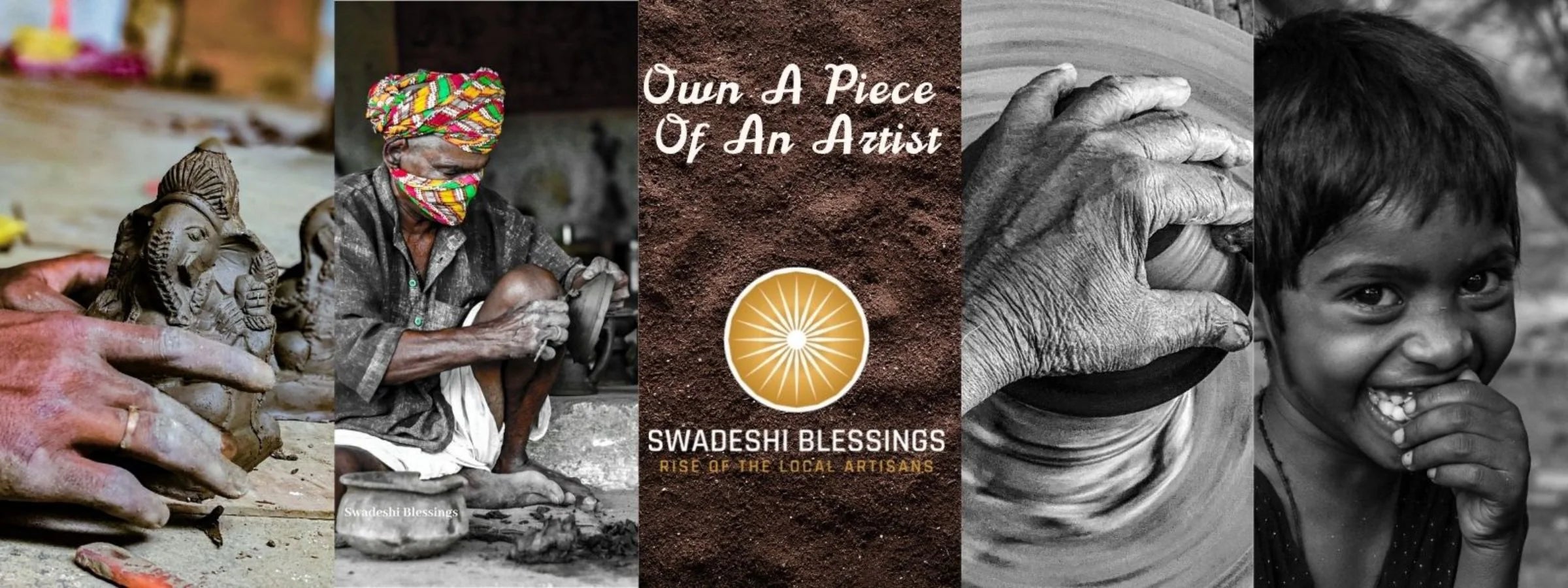
Swadeshi Blessings Shark Tank India appearance marked a significant moment for traditional Indian craftsmanship in the modern business landscape. The pitchers presented a compelling case for returning to our roots with clay cookware, highlighting how aluminum utensils have disconnected us from healthy cooking practices while depriving local potters of their livelihoods. Their emotional pitch emphasized that Swadeshi Blessings is not merely a business but a movement to revive the dying art of pottery while promoting healthier cooking alternatives.
The founders entered the tank with a vision to transform their traditional clay cookware business into a global lifestyle brand. They showcased an impressive range of products including clay tawas, frying pans, and decorative items that marry ancient wisdom with contemporary kitchen needs. Their pitch resonated with the Sharks as they demonstrated how India’s most fertile soil contains nutrients that protect against life-threatening diseases, a knowledge system our ancestors practiced but modern society has abandoned in favor of convenience.
Business Overview
Swadeshi Blessings operates as an artist kitchenware and home decor brand specializing in traditional clay cookware, marble crafts, and wooden handicrafts. The company addresses a critical market gap where health-conscious consumers seek alternatives to aluminum and non-stick cookware that leach harmful chemicals into food, while simultaneously providing sustainable livelihoods to local potter communities in Rajasthan.
The business model revolves around sourcing unglazed, lead-free clay products directly from artisan communities and distributing them through online marketplaces both domestically and internationally. With over 20,000 products delivered across 25 countries, the brand has established itself as a trusted name in organic kitchenware. Their unique value proposition lies in their commitment to unglazed pottery, ensuring no harmful chemicals enter the food during cooking, unlike conventional glazed ceramics that may contain lead and other toxic substances.
The target market comprises health-conscious home cooks, NRIs seeking authentic Indian cooking experiences, and environmentally aware consumers looking for sustainable alternatives to metal cookware. By positioning clay cookware not as rustic alternatives but as premium lifestyle products, Swadeshi Blessings has successfully carved a niche in the competitive home goods market.
| Company Details | Information |
|---|---|
| Industry | Lifestyle & Home Kitchenware |
| Founded | 2020 |
| Headquarters | Udaipur, Rajasthan |
| Founders | 3 Siblings (2 Female, 1 Male) |
| Product Range | Clay Cookware, Marble & Wooden Handicrafts |
| Unique Selling Point | Lead-free, Unglazed Traditional Pottery |
About Founder’s
The founding team comprises three siblings from Udaipur, Rajasthan, each bringing distinct skills to build Swadeshi Blessings into the brand it is today. The journey began during the COVID-19 pandemic when the family observed the struggling economic conditions of local potters in their community. Their mother suggested that rather than providing temporary charity, they should leverage internet technology to create sustainable market access for these artisans.
The lead founder holds a graduate degree from Amity University and manages business development and product sourcing. Her sister oversees business operations and marketing strategies, while their brother contributes to financial management and marketing efforts, though he could not participate in the pitch presentation. This complementary skill set has enabled the company to maintain lean operations while scaling rapidly across international markets.
The founders maintain deep emotional connections with the potter communities they work with, visiting them weekly or monthly to place orders and collect finished products. Their hands-on approach ensures quality control while preserving the authenticity of traditional craftsmanship. Despite being an online business, they prioritize personal relationships with artisans, understanding their problems and inspiring them to maintain quality standards.
- Founded by three siblings from Udaipur with complementary business skills
- Started during COVID-19 to support struggling local potter communities
- Mother’s suggestion sparked the idea of using technology to help artisans
- Maintain weekly personal visits to artisan clusters for relationship building
- Combine traditional craftsmanship knowledge with modern e-commerce expertise
- Emphasis on preserving cultural heritage while creating scalable business model
Swadeshi Blessings Shark Tank India: Shark’s and Founder’s QnA
Can you tell us about your background and how you handle this business?
I am a graduate from Amity University. I handle business development and product sourcing in the company. My background is in business operations and marketing. Along with me, my brother helps in financials and marketing aspects, though he could not participate in today’s pitch.
How do you manage quality and relationships with potters without being there full-time?
This is not part-time for everyone. This is an online business. We have a very emotional connection with our artisans. We meet them every week, or maximum within a month, when we go to place orders or collect finished products. We visit their locations, understand their problems, and inspire them to maintain our quality standards.
What is the difference between your products and what is available in the general market?
We do not know if there is any difference in the market because we bring our clay from specific corners near rivers. We source raw materials carefully to ensure the quality remains consistent. Our firing processes differ based on the product type.
Can you explain the difference between your black clay products and regular ones?
Both are made from the same clay. The only difference is the firing process. For these terracotta products, we use open firing. However, for the black pottery, we use closed firing where the smoke remains trapped inside, which imparts the black color naturally without any artificial coloring or glaze.
Do you think people want to return to clay cookware now?
Absolutely. We have seen good transaction volumes. People are starting to focus back on their health. When you cook in aluminum utensils and check the weight after two years, you will find the utensil has become lighter because the aluminum has entered your food over time. We are trying to create awareness about this health hazard.
What are your business numbers and revenue figures?
We started in 2020. In the first year 2020-21, we did revenues of ₹20-30 lakhs. In 2021-22, we achieved ₹1.8 crores. Currently, we are running at ₹28 lakhs per month. Our projections for the current year are ₹3.6 crores. We are currently selling only through marketplaces, not through our own website.
What is your best-selling product and average pricing?
Our best-selling item is this frying pan. In India, our average product price is ₹900, while in export markets it is ₹9,500. We have delivered products to over 25 countries.
Can you break down your margins and cost structure?
Our gross margin in India is 60%. Out of this, 40% goes to the product cost. From the remaining 60%, we spend 18% on shipping, 5% on packaging, 12% on marketplace commissions, and 10% on marketing. This leaves us with a net margin of approximately 15% after accounting for GST returns.
What was your revenue split between domestic and international last month?
Last month we did ₹28 lakhs in revenue. Out of this, 65% came from exports and 25% from domestic sales. We managed to take home approximately ₹4 lakhs in profit.
How do you handle the breakage issues with clay products during shipping?
We apply an extra layer of mud at the bottom of our products, which significantly reduces breakage issues. Our current breakage rate during shipping is around 3%, which is manageable within our operational costs.
Key Stats & Financials
The financial trajectory of Swadeshi Blessings demonstrates impressive bootstrapped growth within a short timeframe. Starting with modest capital during the pandemic, the company has scaled to multi-crore revenues primarily through organic growth and marketplace expansion. Their financial discipline is evident in maintaining healthy gross margins of 60% while operating in the competitive e-commerce landscape.
The founders entered the tank seeking ₹50 lakhs for 5% equity, valuing their company at ₹10 crores. While this valuation initially raised eyebrows, their export-heavy revenue model and asset-light operational structure justified the premium. The business shows strong unit economics with a 15% net margin, though they acknowledged needing marketing investment to build brand awareness beyond marketplace dependency.
- Sales: ₹1.8 Crores in FY21-22, current run rate ₹3.36 Crores annually
- Margins: 60% Gross Margin, 15% Net Margin after all operational expenses
- Valuation: Originally sought ₹10 Crores, final deal at ₹5 Crores valuation
- Investment Request: ₹50 Lakhs for 5% equity initially requested
- Use of Funds: Primarily for marketing and brand building to reduce marketplace dependency
| Financial Metric | Value |
|---|---|
| Annual Revenue (FY21-22) | ₹1.8 Crores |
| Monthly Revenue (Current) | ₹28 Lakhs |
| Projected Annual Revenue | ₹3.6 Crores |
| Gross Margin | 60% |
| Net Profit Margin | 15% |
| Export Revenue Share | 65% |
Business Potential and TAM
The addressable market for traditional clay cookware represents a significant untapped opportunity in both domestic and international segments. Globally, the organic kitchenware market is experiencing double-digit growth as consumers become increasingly aware of the health hazards associated with aluminum and chemical-coated cookware. Swadeshi Blessings positions itself at the intersection of wellness trends and sustainability, appealing to the growing demographic of conscious consumers.
The total addressable market extends beyond pure cookware into the broader lifestyle and home decor segments, where the company already operates with marble and wooden handicrafts. Their successful penetration into 25 countries indicates the universal appeal of authentic, handcrafted Indian products. With increasing interest in Ayurvedic cooking and slow food movements, clay cookware is experiencing a renaissance among premium consumers willing to pay for health benefits.
- Growing global organic kitchenware market driven by health consciousness
- Increasing NRI population seeking authentic Indian cooking experiences abroad
- Revival of traditional cooking methods among millennials and Gen Z
- Expansion potential into corporate gifting and hospitality sectors
- Sustainability trends favoring biodegradable, eco-friendly cookware alternatives
Swadeshi Blessings: Ideal Target Audience & Demographics
| Demographic | Details |
|---|---|
| Primary Age Group | 25-55 years |
| Income Level | Middle to High Income |
| Geography | Tier 1-2 Cities in India + International Markets |
| Psychographics | Health-conscious, Environmentally aware |
| Primary Use Case | Home cooking, Slow cooking, Traditional recipes |
| Secondary Segment | NRIs, Culinary enthusiasts, Interior decorators |
Marketing and Distribution Strategy
Currently, Swadeshi Blessings relies heavily on established e-commerce marketplaces for distribution, with Amazon and similar platforms driving the majority of their sales. While this strategy has enabled rapid scaling without significant capital expenditure on technology, it creates dependency risks and margin pressures due to platform commissions. The founders recognize the need to diversify their sales channels to build a sustainable direct-to-consumer brand.
The investment sought on Shark Tank India was specifically earmarked for marketing initiatives to build brand awareness and drive traffic to their own website. Their content strategy focuses on educating consumers about the health benefits of clay cooking versus aluminum, leveraging the emotional story of supporting artisan communities, and demonstrating the aesthetic appeal of handcrafted kitchenware. International expansion remains a priority, given the higher price realization and margins in export markets.
- Current heavy reliance on third-party marketplaces for 100% of sales
- Plans to invest in direct-to-consumer website and brand building
- Content marketing focused on health education and artisan stories
- WhatsApp business integration for customer relationship management
- International expansion through cross-border e-commerce platforms
Swadeshi Blessings Deal Outcome
The negotiation phase revealed the Sharks’ appreciation for the business model but concerns regarding the initial valuation and scalability challenges. Namita Thapar and Vineeta Singh saw potential in the brand’s emotional connection and export capabilities but wanted to structure a deal that aligned incentives while providing growth capital. The final agreement represented a classic Shark Tank India structure balancing equity with debt.
After deliberation, Namita Thapar and Vineeta Singh jointly offered ₹25 lakhs for 5% equity combined with ₹25 lakhs in debt at 12% interest, bringing the total investment to the requested ₹50 lakhs but at half the originally proposed valuation. The founders accepted this offer, recognizing the strategic value of having two Sharks with expertise in scaling consumer brands and international markets.
| Deal Terms | Details |
|---|---|
| Original Ask | ₹50 Lakhs for 5% Equity |
| Original Valuation | ₹10 Crores |
| Final Offer | ₹25 Lakhs Equity + ₹25 Lakhs Debt |
| Equity Given | 5% (2.5% each to Namita and Vineeta) |
| Debt Terms | ₹25 Lakhs at 12% Interest |
| Final Valuation | ₹5 Crores |
| Investing Sharks | Namita Thapar & Vineeta Singh |
Swadeshi Blessings Post-Show Update
Following their appearance on Shark Tank India Season 2, Swadeshi Blessings experienced the typical Shark Tank effect with increased website traffic and social media following. The association with Namita Thapar and Vineeta Singh provided credibility in the market, helping them secure better terms with marketplace partners and expand their artisan network. The company continues to focus on their mission of supporting local potters while scaling their international presence.
The brand has maintained its commitment to unglazed, lead-free cookware while expanding their product range based on consumer feedback received post-show. Their website now features detailed educational content about the benefits of clay cooking, addressing the awareness gap they highlighted during their pitch. The deal with the Sharks appears to have closed successfully, with both parties actively promoting the brand on their social media channels.
Business Analysis & Lessons
The Swadeshi Blessings pitch offers several valuable lessons for entrepreneurs in the D2C and artisan economy sectors. First, the importance of storytelling in creating emotional resonance cannot be overstated. By framing their business as a mission to save both health and heritage, the founders differentiated themselves in a crowded market. However, their initial high valuation without demonstrating significant brand pull outside marketplaces highlighted the challenge of valuing early-stage e-commerce businesses.
The deal structure itself provides a textbook example of how Sharks approach capital-intensive businesses with proven unit economics but scaling challenges. By splitting the investment between equity and debt, Namita and Vineeta balanced risk while providing the full capital requested. For founders, this demonstrates the importance of being flexible on valuation while maintaining conviction in the business model.
- Emotional storytelling around health and heritage creates strong brand differentiation
- Over-dependence on marketplaces poses long-term risks for D2C brands
- Export markets often offer better margins and less price sensitivity than domestic
- Bootstrapping initially proves business model validity before seeking external funding
- Deal flexibility is crucial when valuations don’t align with investor expectations
Pitch Conclusion
Swadeshi Blessings represents a compelling example of how traditional Indian crafts can be transformed into scalable, modern businesses with the right mix of technology, marketing, and social impact. Their success on Shark Tank India validates the market opportunity for authentic, health-focused kitchenware while highlighting the challenges of building brand awareness in a competitive digital landscape. With Namita Thapar and Vineeta Singh on board, the company is well-positioned to expand its artisan network and educate consumers about the benefits of returning to clay cookware.
The pitch serves as an inspiration for entrepreneurs looking to build businesses around traditional Indian knowledge systems. By focusing on the dual value proposition of health benefits and artisan empowerment, Swadeshi Blessings has created a defensible niche in the home goods market. As they scale beyond marketplace dependency into a full-fledged lifestyle brand, their journey will be watched closely by both investors and aspiring entrepreneurs in the cultural heritage space.