



Pitch Introduction
The Tiggle Shark Tank India pitch is one of the most inspiring stories of young entrepreneurship featured in Season 3. At just 21 years old, Anuva Kakkar took a leap of faith, standing outside a busy Gurgaon metro station with a 5-liter steel jar of hot chocolate to test her business idea. Within 50 minutes, her drink was sold out, proving that there was a massive, untapped demand for cafe-quality hot chocolate that people could enjoy at home. Today, Tiggle has transformed from a roadside experiment into a profitable D2C brand serving over 37,000 customers across India.
Business Overview
Tiggle is a digital-first beverage brand that specializes in premium cocoa-based mixes. The company identified a significant gap in the Indian beverage market: while tea and coffee have countless home-brewing options, hot chocolate was largely restricted to expensive cafes or low-quality mass-market powders. Tiggle solves this by offering high-quality, ready-to-make chocolate mixes sourced from finely roasted cocoa beans from South Indian farms.
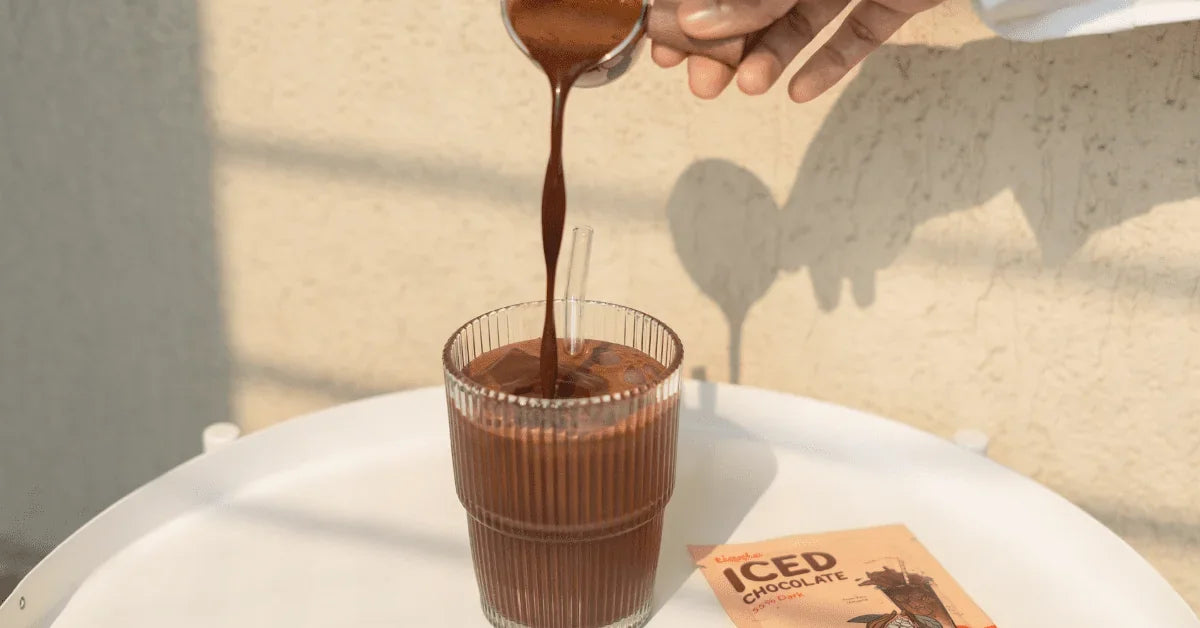
Operating out of Agra, Uttar Pradesh, the brand focuses on clean ingredients and variety. Their product line includes Dark Hot Chocolate, Iced Chocolate for summers, and Light Hot Chocolate. By using jaggery as a sweetener and offering dairy-free options, Tiggle appeals to the health-conscious millennial and Gen Z demographic who seek indulgence without the guilt of artificial additives or excessive refined sugar.
Product Details
The core of Tiggle’s product strategy is the quality of its cocoa. Anuva personally tested cocoa from more than 50 South Indian cocoa farms before finalizing her supply chain. The products are available in both single-serve units and 10-cup packs. The Dark Hot Chocolate is their bestseller, especially during the North Indian winters, while the Iced Chocolate mix ensures the brand remains relevant during the warmer months.
One of the most praised aspects of the product on Shark Tank India was the packaging and taste. The brand uses a mix of high-grade cocoa and jaggery, ensuring the drink is vegan-friendly. The single-serve packs are priced between ₹35 to ₹55, making a premium experience accessible to the middle-class Indian household at a fraction of cafe prices.
Market Position
Tiggle positions itself between the mass-market players like Cadbury or Hershey’s and the high-end specialty cafes. While mass-market brands sell at ₹18-20 per serving, they often contain lower cocoa content and higher sugar. Tiggle’s USP lies in its 75% gross margin and its commitment to a “clean label” philosophy. By focusing on a community-led development model, where customers participate in blind taste tests (A/B testing), the brand has built a loyal following that treats hot chocolate as a daily ritual rather than an occasional treat.
| Business Detail | Information |
|---|---|
| Company Name | Tiggle |
| Founder | Anuva Kakkar |
| Product Type | Cocoa-based Beverages |
| Price Range | ₹450 to ₹800 (Packs) |
| Primary Channel | D2C Website & Amazon |
| Headquarters | Agra, Uttar Pradesh |
About Founder’s
Anuva Kakkar is a quintessential example of the new-age Indian entrepreneur. Having graduated in 2019, she was quickly bitten by the entrepreneurship bug. According to YourStory, her love for hot chocolate was the primary catalyst for starting Tiggle in August 2020. She started with a mere ₹20,000 investment and operated initially from a single room in her house.
- Started the business at age 21 with a roadside stall in Gurgaon.
- Spent months researching 50+ cocoa farms in South India for the perfect blend.
- Bootstrapped the company to profitability before appearing on Shark Tank.
- Maintains 96% equity in the business, with her mother as a minority shareholder.
Shark’s and Founder’s QnA
How did you start this journey at such a young age?
I was 21 and went alone with a steel jar of hot chocolate to Gurgaon metro station. People were curious about what a young girl was doing on the road. In 40 to 50 minutes, I was sold out. That gave me the giggle that led to the name Tiggle.
Why is the brand called Tiggle?
It is a combination of Tickle plus Giggle. I wanted the brand to represent the joy and happiness that a good cup of chocolate brings to your face.
Don’t you think targeting adults is a mistake compared to kids?
I drink coffee and I get jitters. Many people like me want an alternative that isn’t tea. Globally, the chocolate drink market is huge. I believe Indians are ready for a premium chocolate drink culture beyond just kids’ nutrition powders.
What are your monthly sales and growth figures?
Last month we did ₹12 Lakhs. Our revenue has grown steadily from ₹5.9 Lakhs in April to ₹12.6 Lakhs in August. We are on track to cross ₹2 Crores in revenue this year.
What are your unit economics for a standard pack?
My selling price is ₹308 (excluding GST). The manufacturing cost is ₹74, which includes ₹10 for packaging and ₹64 for raw materials. Even after shipping and marketing, we are profitable with a positive EBITDA.
How do you know your product is actually better than competitors?
We conducted a blind taste test with our community using samples A, B, and C. A and B were our formulations, and C was a leading brand. Every single person chose either A or B, which gave us the confidence in our recipe.
Key Stats & Financials
At the time of the pitch, Tiggle demonstrated a very healthy financial profile for an early-stage D2C startup. Unlike many “cash-burn” models, Anuva built Tiggle as a profitable, bootstrapped entity before seeking external capital. The business metrics reflected strong demand and efficient operational management.
Revenue and Profitability
- Monthly Revenue: ₹12 Lakhs (stable and growing).
- Gross Margins: 75% at the unit level.
- Yearly Sales: On track for ₹1.5 Crores to ₹2 Crores.
- Founder Equity: 96% (Anuva) and 4% (Mother/Advisors).
- Profitability: Profitable with roughly ₹19 EBITDA per unit.
Financial Breakdown
| Metric | Amount / Value |
|---|---|
| Average Order Value | ₹308 |
| Raw Material Cost | ₹64 |
| Packaging Cost | ₹10 |
| Shipping Cost | ₹32 |
| Marketing Spend | ₹43 (Per Unit) |
| Total Customers | 37,000+ |
Business Potential and TAM
The chocolate market in India is a massive ₹20,000 Crore industry. However, most of this is dominated by solid chocolate bars and confectionery. The chocolate drink segment, which Tiggle is disrupting, is estimated to be worth between ₹2,000 Crores to ₹3,000 Crores. While established players like Cadbury and Horlicks dominate the “health drink” and mass-market cocoa powder space, there is a growing niche for premium, cafe-style beverages that can be prepared at home.
Market Size Analysis
The global chocolate beverage market is valued at approximately $15 Billion (₹1.25 Lakh Crores). In India, the shift from traditional tea to coffee-shop culture has paved the way for hot chocolate. As per Anuva’s pitch, hot chocolate is among the top four best-selling drinks in Indian cafes, yet it remains unexplored as a high-quality D2C category. With the Indian beverage market growing at a CAGR of 15%, the opportunity to build a ₹100 Crore brand in the niche chocolate segment is highly realistic.
Growth Opportunities
- B2B Partnerships: Collaborating with cafes like Blue Tokai to supply premium mixes.
- Product Diversification: Launching chocolate bars and healthy snacks using their South Indian cocoa.
- International Expansion: Targeting markets with high chocolate consumption like Europe and the Middle East.
- Retail Footprint: Moving from purely D2C to premium grocery stores and modern trade.
Tiggle: Ideal Target Audience & Demographics
| Demographic | Details |
|---|---|
| Primary Age Group | 18 to 35 Years |
| Secondary Age Group | Kids (Health-conscious parents) |
| Interests | Cafe Culture, Veganism, Clean Eating |
| Platform Preference | Instagram, Amazon, D2C Website |
| Geography | Tier 1 and Tier 2 Urban Cities |
| Buying Behavior | Impulse & Gifting Subscriptions |
Marketing and Distribution Strategy
Tiggle utilizes a modern D2C playbook to maintain high margins and direct customer relationships. By starting small and scaling based on data, the brand has avoided the common pitfall of over-leveraging on expensive traditional advertising. Their focus remains on community building and organic growth through high-quality visual content.
Customer Acquisition
The brand’s CAC (Customer Acquisition Cost) is optimized through targeted performance marketing on Meta and Google. However, a significant portion of their sales comes from repeat customers. Anuva highlighted that of the 3,500 customers in a single month, about 24-25% were returning users. This high retention rate is a testament to product quality and effective email/WhatsApp marketing strategies.
Distribution Channels
- Official Website: The primary revenue driver, offering exclusive packs and subscriptions.
- Marketplaces: Strong presence on Amazon India for wider logistical reach.
- B2B Collaboration: Co-created products with Blue Tokai, Goodmylk, and Tea Trunk.
- Future Retail: Plans to enter premium gourmet stores in metros like Mumbai and Delhi.
Social Media and Content Strategy
Tiggle uses Instagram to showcase the “vibe” of hot chocolate—focusing on cozy winters, aesthetic brewing videos, and behind-the-scenes content of the Agra factory. Their content strategy targets the aesthetic-conscious Gen Z, positioning the product not just as a drink, but as a lifestyle accessory for “me-time” or social gatherings.
Tiggle Shark Tank Deal Outcome
The negotiation for Tiggle was intense. While Namita Thapar felt the market was too small and opted out, Amit Jain and Peyush Bansal were highly impressed by Anuva’s clarity and unit economics. Anupam Mittal also praised her but stepped away, believing the market size wouldn’t support a massive venture capital return.
| Shark | Offer Detail |
|---|---|
| Peyush Bansal | ₹50 Lakhs for 20% Equity + 1% Royalty until ₹1 Crore recouped |
| Amit Jain | ₹20 Lakhs for 5% Equity + ₹30 Lakhs Debt (joined Peyush later) |
| Namita Thapar | Out – Felt the market was too small to scale |
| Anupam Mittal | Out – Concerned about scaling adult chocolate drinks |
| Final Decision | ₹50 Lakhs for 20% Equity + 2% Royalty until ₹1 Crore is recouped (Peyush & Amit) |
Tiggle Post-Show Update
Following the show, Tiggle received a massive surge in traffic, leading to several products being sold out. According to the Times of India, Amit Jain has continued to support Anuva as part of his commitment to fostering female-led entrepreneurship in India. The brand has since expanded its manufacturing capacity in Agra and deepened its partnership with major coffee chains and vegan brands to increase B2B revenue streams.
Business Analysis & Lessons
The Tiggle pitch was a masterstroke in transparency and preparation. Anuva Kakkar knew her numbers to the decimal point, which immediately built trust with the Sharks. Her ability to explain unit economics—from raw material costs to the precise marketing spend per pack—showed that she wasn’t just a “product person” but a disciplined business operator. This level of detail is often what separates a successful pitch from a generic one.
Another strategic lesson from Tiggle is the importance of market validation. Instead of raising capital based on a concept, Anuva spent years building a community and testing her product in the real world (the Gurgaon metro station experiment). This “proof of concept” was far more valuable to the Sharks than any fancy slide deck could have been.
Key Takeaways
- Product-First Approach: Testing 50+ cocoa farms ensures the quality becomes the primary marketing tool.
- Precision in Numbers: Knowing EBITDA, CAC, and Gross Margins (75%) makes an entrepreneur investable.
- Niche Targeting: Instead of fighting giant brands, Tiggle built a premium niche for adults who dislike coffee jitters.
- Community Feedback: Using A/B testing with customers reduces the risk of product failure.
Pitch Conclusion
Tiggle’s journey from a roadside stall to a Shark Tank success story is a powerful reminder that focus and discipline can build a brand even in a crowded market. By securing a deal with Peyush Bansal and Amit Jain, Anuva Kakkar has gained the mentorship needed to scale Tiggle into a household name. If you enjoyed this breakdown, check out The Cinnamon Kitchen, Go DESi, and The Healthy Binge.
[faq_accordian]