



Pitch Introduction
The Vobble Shark Tank India pitch presented a modern solution to the growing pandemic of screen addiction among children. Founders Neha Sharma and Sowmya Jagannath entered the tank with a clear mission: to provide high-quality, immersive audio entertainment that keeps children engaged without the need for a digital display. By combining a dedicated audio OTT platform with specialized hardware, Vobble aims to reclaim the “lost art” of listening while fostering imagination and vocabulary development in kids aged 4 to 10 years.
Business Overview
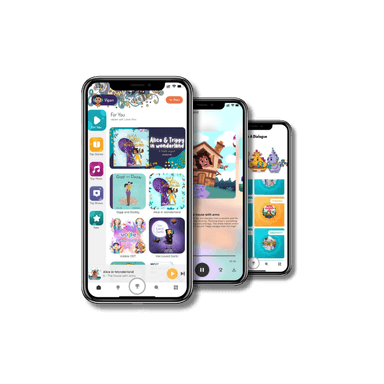
Vobble operates as an integrated platform that offers a multisensory experience for children. Unlike traditional podcasts or simple audiobooks, Vobble creates cinematic audio content featuring professional sound effects, varied character dialogues, and music. The startup produces its content entirely in-house, ensuring that the quality meets the specific developmental needs of their young audience.
The business model is built on a “razor and blade” strategy where parents purchase a physical starter kit that includes Vobble-branded headphones and activity books. This hardware acts as a gateway to their subscription-based digital library. The founders highlighted that while parents are often reluctant to pay for digital content alone, the tangible nature of the headphones and books provides the necessary perceived value to justify a ₹3,500 entry price.
Product Details
The Vobble starter kit is meticulously designed for child safety and engagement. The volume-limited headphones ensure that children cannot accidentally damage their hearing, a common concern with standard adult headphones. The kit also includes activity books and stickers that complement the audio stories, turning a passive listening experience into an active learning session. Their content library includes original IPs as well as licensed stories from legendary publishers like Amar Chitra Katha and Tinkle.
Market Position
Vobble positions itself as a premium alternative to YouTube and Spotify Kids in the Indian market. While global giants exist, Vobble focuses on Indianized storytelling and a physical-digital hybrid model that specifically addresses the “screen time guilt” felt by urban parents. By controlling the hardware (headphones) and the software (app), they create a closed ecosystem that parents trust for safety and educational efficacy.
| Business Detail | Information |
|---|---|
| Company Name | Vobble |
| Founders | Neha Sharma and Sowmya Jagannath |
| Product Type | Audio OTT + Hardware Bundle |
| Price Range | ₹3,500 (Kit) + Subscription |
| Primary Channel | D2C Website and Amazon |
| Headquarters | Bangalore, Karnataka |
About Founder’s
The founders of Vobble are two mothers from Bangalore who combined their corporate and creative expertise to solve a personal pain point. According to Inc42, Neha Sharma (CEO) brings a strong background in sales and marketing from giants like Unilever and PepsiCo. Sowmya Jagannath (CPO) has a multidisciplinary background in Neuroscience and Design, which she leverages to create the psychological and aesthetic framework of the content.
- Neha Sharma holds an MBA in Marketing from the University of Delhi.
- Sowmya Jagannath studied Neuroscience at the University of Michigan.
- The duo left their stable corporate jobs in September 2022 to build the startup.
- They launched the product formally in August 2023, just before their Shark Tank appearance.
Shark’s and Founder’s QnA
What is the inspiration behind Vobble?
We both are parents and we saw our children becoming addicted to screens during the pandemic. We were looking for alternatives that children could use independently without parents having to monitor a screen constantly. That search led to Vobble.
Is this a hardware business or a content business?
We are ultimately a content company. We create original IPs and cinematic audio. However, we realized that kids need something tactile and tangible, which is why we provide the headphones and books. It makes the audio experience more “real” for them.
What is the pricing and the cost of the box?
The product is priced at ₹3,500. The cost of the entire box is approximately ₹1,100. This includes ₹800 for the headphones, ₹200 for packaging/shipping, and ₹100 for the books and stickers.
How do you plan to compete with free platforms like YouTube?
YouTube is full of visual distractions and ads. Our content is safe, curated, and completely ad-free. We are building IPs. We want to build a library and a brand first, and then we might distribute content to other platforms later.
Have you measured any educational impact?
Yes, we reviewed nearly 80 to 100 research papers. Studies show that children who listen to audio have seven times better vocabulary and three times better reading comprehension compared to those who don’t.
What is the future of the product in terms of tech?
We are prototyping Version 2.0, which will be a completely autonomous audio device. It will remove the need for a parent’s phone entirely, allowing the child to play content directly from the hardware.
Key Stats & Financials
At the time of the pitch, Vobble was in a very early stage, having launched just one month prior to filming. Despite the early stage, they showed promising initial traction within the urban parent demographic.
Revenue and Profitability
- Monthly Sales: ₹6 Lakhs (in their first month of launch)
- Subscription Model: ₹300 per month (after 6 free months)
- Valuation Requested: ₹16.67 Crores
- Investment Request: ₹25 Lakhs for 1.5% equity
- User Base: 200 active users at the time of the pitch
Financial Breakdown
| Metric | Amount / Value |
|---|---|
| Launch Month Revenue | ₹6 Lakhs |
| Starter Kit Price | ₹3,500 | ₹1,100 |
| Gross Margin | ~68% |
| Subscription (Monthly) | ₹300 |
| Closed Funding (Pre-Pitch) | ₹3 Crores |
Business Potential and TAM
The business potential for Vobble is tied to the massive growth of the Indian audio entertainment sector. According to YourStory, the Indian audio entertainment market is currently valued at $100 million (approx. ₹830 Crores) and is expanding rapidly as screen fatigue sets in. Vobble aims to tap into the 150 million children in India who fall into the target age group of 4-12 years.
Market Size Analysis
The total addressable market (TAM) for premium kids’ education and entertainment in India is estimated to be over ₹3,800 Crores. With rising disposable incomes in Tier 1 cities, parents are increasingly willing to spend on “guilt-free” entertainment. The global educational toy and content market is projected to reach $90 Billion, providing a massive runway for Vobble to export Indian stories to the global diaspora.
Growth Opportunities
- Regional Language Content: Launching stories in Hindi, Marathi, and Tamil to reach Tier 2/3 cities.
- B2B Partnerships: Collaborating with private preschools and activity centers as a learning tool.
- Hardware Evolution: Transitioning to an autonomous smart-speaker device for children.
- Global Export: Targeting the NRI market in the US and UK with culturally relevant Indian content.
Vobble: Ideal Target Audience & Demographics
| Demographic | Details |
|---|---|
| Primary Age Group | 4 to 10 years old |
| Secondary Age Group | Parents (28 to 45 years) |
| Interests | Podcasts, Storytelling, Education |
| Platform Preference | Instagram, WhatsApp Communities |
| Geography | Tier 1 Indian Cities (Bangalore, Mumbai, Delhi) |
| Buying Behavior | Value safety and educational outcomes |
Marketing and Distribution Strategy
Vobble employs a multi-layered distribution strategy to build trust with parents. Given the high-touch nature of a product meant for children, they focus on physical touchpoints alongside digital marketing.
Customer Acquisition
The startup relies heavily on community marketing and parental influencers on platforms like Instagram. By showcasing the “peace of mind” parents get when their child is engaged without a screen, they drive traffic to their D2C website. Their cost of acquisition (CAC) is mitigated by word-of-mouth in closed parenting groups and schools.
Distribution Channels
- D2C Website: The primary hub for kit sales and subscription management.
- Amazon: Listed under premium kids’ electronics and educational toys.
- Offline Events: Participation in kids’ carnivals and school workshops to demo the hardware.
- Partner Platforms: Future plans to license content to airlines and car entertainment systems.
Social Media and Content Strategy
Their social media strategy focuses on the “Screen-Free Adventure” theme. They share snippets of their high-quality audio stories to entice parents. They also use LinkedIn to position the founders as thought leaders in Early Childhood Education (ECE).
Vobble Shark Tank Deal Outcome
The pitch sparked a intense debate among the sharks regarding the viability of a niche audio company. Anupam Mittal and Deepinder Goyal expressed skepticism about the “foundational logic,” arguing that YouTube already serves this purpose for free. However, Namita Thapar, identifying as a mother first, resonated deeply with the screen-time problem.
| Shark | Offer Detail |
|---|---|
| Namita Thapar | ₹25 Lakhs for 5% Equity (Initial Offer) |
| Anupam Mittal | Out – Believed it’s a niche content company |
| Amit Jain | Out – Concerned about hardware inventory/support |
| Aman Gupta | Out – Felt the business lacked clarity (Content vs Hardware) |
| Final Decision | Accepted ₹25 Lakhs for 2% Equity |
Vobble Post-Show Update
Following their appearance on Shark Tank India Season 3, Vobble saw a significant surge in momentum. According to Inc42, the startup successfully closed a $1 Million (approx. ₹8.3 Crores) seed funding round led by Lumikai, India’s first gaming and interactive media VC fund. Other participants included Blume Founders Fund and various angel investors. This capital is being used to develop their AI-powered autonomous pocket player and expand their original content library.
Business Analysis & Lessons
The Vobble pitch highlights the importance of emotional resonance in entrepreneurship. While some Sharks focused purely on the competitive threat of free platforms like YouTube, the founders successfully argued that “safety and curation” are premium commodities for modern parents. Their decision to bundle hardware with software was a strategic masterstroke to overcome the low willingness of Indian consumers to pay for digital-only content.
From an investment perspective, the pitch serves as a lesson in valuation management. By entering the tank with a pre-existing ₹25 Crore valuation cap from institutional investors, the founders were able to negotiate Namita Thapar down from 5% to 2%, protecting their equity while securing a high-value mentor.
Key Takeaways
- Lesson 1: Hardware as a Hook – Use physical products to create perceived value for digital subscriptions.
- Lesson 2: Niche over Mass – Controlling the safety of a niche (kids’ audio) can be more profitable than fighting for mass-market attention.
- Lesson 3: Research-Backed Pitching – Mentioning 100+ research papers on vocabulary improvement builds immediate credibility with investors.
- Lesson 4: Protecting Cap Table – Using existing investor terms to negotiate Shark offers prevents excessive dilution early on.
Pitch Conclusion
Vobble’s journey from a mother’s frustration to a venture-backed startup proves that deep empathy for the customer can create viable business niches. Their ₹25 Lakh deal with Namita Thapar was just the beginning of a larger growth story that eventually attracted global VC interest. If you enjoyed this breakdown, check out Raising Superstars, Annie, and Aas Vidyalaya.
[faq_accordian]