



Pitch Introduction
The Gulabo Jaipur Shark Tank India pitch brought the vibrant colors and rich heritage of Jaipur to the national stage. Founders Saloni Panwar and Salman Khan entered the tank seeking ₹90 Lakhs for 1% equity, valuing their bootstrapped fashion brand at a staggering ₹90 Crores. While the brand boasted a celebrity following and strong profitability, the encounter turned into a rigorous examination of business scalability and organizational maturity.
As the fashion industry in India continues to shift toward premium D2C brands, Gulabo Jaipur stood out for its commitment to traditional craftsmanship. However, the Sharks were quick to point out the gap between a successful family business and a venture-backed scalable enterprise. The pitch serves as a critical lesson for founders on how to balance creative passion with the operational systems required for high-level investment.
Business Overview
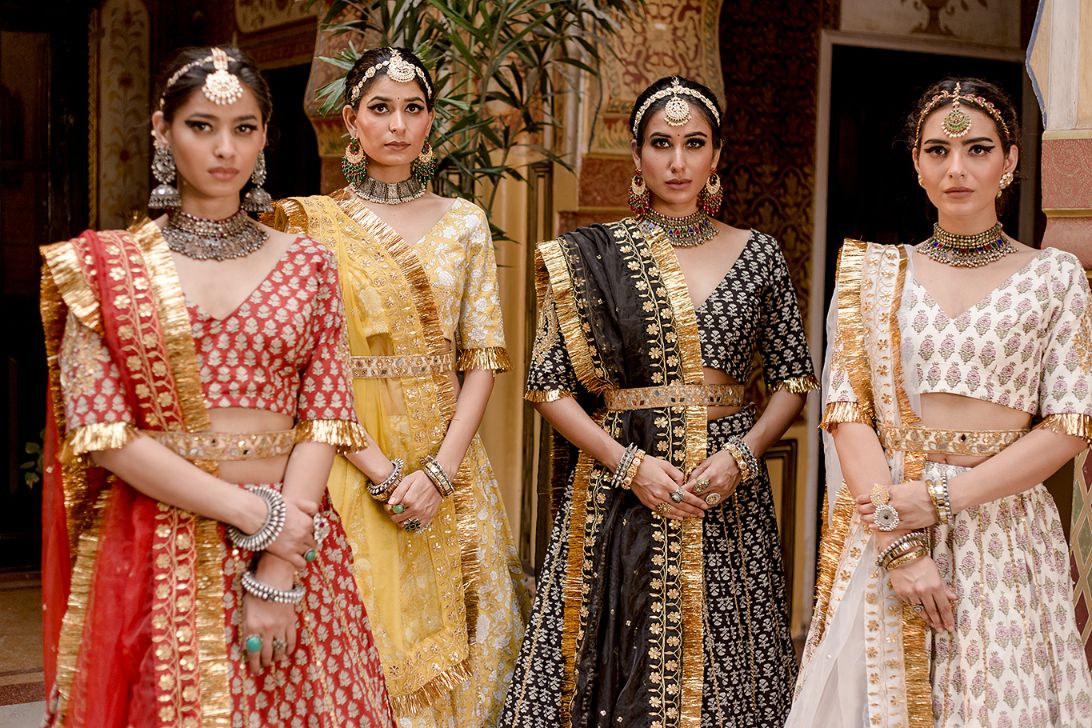
Founded in 2014, Gulabo Jaipur is a premium ethnic wear brand that specializes in capturing the essence of the Pink City’s textile artistry. The brand focuses on timeless designs rather than fast-fashion trends, utilizing traditional techniques like block printing, tie-dye, and intricate gota patti work. Their catalog spans from everyday kurta sets to high-end bridal lehengas, catering to women who seek a blend of comfort and luxury.
The brand has successfully moved beyond local markets to establish a significant online presence. By leveraging Instagram and their own website, they have reached a global audience, making Jaipuri craftsmanship accessible to the Indian diaspora and fashion enthusiasts worldwide. Their product philosophy revolves around the idea that ethnic wear should be both glamorous and wearable for the modern woman.
Product Details
The product line is built on the pillars of Jaipur’s textile heritage. Key materials include high-quality cotton, silk, and velvet, often adorned with handcrafted embellishments. Their signature offerings include:
- Everyday Kurta Sets: Lightweight, breathable cotton sets with hand-block prints.
- Festive Kaftans: Elevated silhouettes in velvet and silk with sequence work.
- Bridal Collection: Handcrafted lehengas featuring traditional gota patti and computer embroidery.
- Gota Work Specialization: A unique focus on traditional Rajasthan metallic ribbon work that provides a luxury ‘bling’ factor.
Market Position
Gulabo Jaipur occupies the ‘bridge-to-luxury’ segment within the Indian ethnic wear market. With a price range typically between ₹4,000 and ₹7,000 for their core collection, they target the upper-middle-class demographic that has moved past mass-market options but isn’t yet shopping exclusively at designer boutiques. Their Unique Selling Proposition (USP) lies in Saloni’s design instincts, which modernize traditional prints into silhouettes that appeal to contemporary tastes.
| Business Detail | Information |
|---|---|
| Company Name | Gulabo Jaipur |
| Founders | Saloni Panwar & Salman Khan |
| Product Type | Premium Indian Ethnic Wear |
| Price Range | ₹4,000 to ₹90,000 |
| Primary Channel | D2C Website & Flagship Store |
| Headquarters | Jaipur, Rajasthan |
About Founder’s
The journey of Gulabo Jaipur is a story of creative evolution. Saloni Panwar, a self-taught designer from Rajasthan, started the brand in December 2014. Despite having no formal training in fashion design, her innate sense of style and creativity led her to start showcasing her designs on Instagram. The overwhelming response from across India validated her vision, turning a small creative project into a full-fledged business.
Salman Khan joined the business after their marriage. A law graduate from Pune, Salman realized that the business’s rapid growth required operational structure. He quit his potential legal career to manage the production, procurement, marketing, and sales dispatching for the brand. Together, they have scaled the business to a team of 70 people, maintaining an in-house stitching and design setup in Jaipur.
- Saloni Panwar started the brand with zero formal design education.
- Salman Khan manages the entire operations and financial logistics.
- The brand grew organically through early adoption of Instagram marketing.
- The founders maintain a flagship store in the heart of Jaipur.
Shark’s and Founder’s QnA
How did you start Gulabo Jaipur without a design background?
I started in December 2014. Before that, I worked in different places, but I always knew I wanted to be a designer. I have been very creative since childhood and used to design clothes for my family members. I started on Instagram, and the response was incredible from all over the country.
Salman, how did you get involved in the fashion business?
I studied law in Pune, but after marriage, I saw how popular Saloni was becoming and how quickly money was being credited. I started helping her with everything from production to marketing. Now, I handle the entire operational side so she can focus on creativity.
What is the average price point and positioning of the brand?
Our everyday wear sets are priced around ₹4,000 to ₹7,000. It is a premium niche segment. We aren’t mass-market, but we aren’t ultra-luxury either. Our bridal lehengas can go up to ₹90,000, but our top-selling products remain the everyday luxury wear.
What have been your sales figures over the last few years?
In 2021, we did ₹2.1 Crores. In 2022, we grew to ₹3.8 Crores. In 2023, we reached ₹4.5 Crores. This year, we have already done ₹4 Crores and expect to close the year at ₹8 Crores.
Why are you asking for such a high valuation of ₹90 Crores?
Our organic sales are very strong, and our customer reviews are exceptional. We are confident we will reach ₹25 Crores next year with the right mentorship. We believe the brand’s potential and current profit margins justify the valuation.
Who is your highest-paid employee and what is their role?
Our most highly paid person earns around ₹48,000 a month. They handle operations and some sales. We manage most of the core leadership tasks ourselves currently.
Key Stats & Financials
At the time of the Gulabo Jaipur Shark Tank India pitch, the company demonstrated a healthy upward trajectory in revenue. The business is highly profitable, generating approximately ₹1.25 Crores in net profit annually. However, the disconnect between their current revenue (₹4.5 Crores) and their requested valuation (₹90 Crores) became the focal point of the Sharks’ critique.
Revenue and Profitability
- FY 2022-23 Sales: ₹4.5 Crores
- FY 2023-24 Projected Sales: ₹8 Crores
- Net Profit (EBITDA): ₹1.25 Crores (Approx 15-20%)
- Valuation Requested: ₹90 Crores (11x Sales)
- Investment Request: ₹90 Lakhs for 1% Equity
Financial Breakdown
| Metric | Amount / Value |
|---|---|
| FY 2020-21 Sales | ₹2.1 Crores |
| FY 2021-22 Sales | ₹3.8 Crores | ₹72 Lakhs |
| Annual Profit | ₹1.25 Crores |
| Target FY 2024-25 | ₹25 Crores |
| Highest Salary Paid | ₹48,000 / month |
Business Potential and TAM
The Indian ethnic wear market is a massive sector within the broader fashion industry. According to industry reports, the Indian ethnic wear market was valued at approximately $20 Billion in 2023 and is expected to grow at a CAGR of 10% over the next five years. Gulabo Jaipur is tapping into the ‘Premium D2C’ segment, which is seeing the fastest growth as consumers shift from unbranded local boutiques to established digital-first brands that offer consistent quality and sizing.
Market Size Analysis
The Total Addressable Market (TAM) for premium ethnic wear in India includes not just domestic consumers but also a multi-billion dollar international export market. With the rise of ‘Occasion Wear’—clothes specifically bought for weddings, festivals, and parties—the willingness of consumers to pay a premium for unique designs has increased. Gulabo Jaipur‘s positioning in the ₹4,000 to ₹10,000 bracket allows them to capture the high-volume ‘mid-premium’ segment while their bridal range targets the high-margin luxury market.
Growth Opportunities
- International Expansion: Targeting the NRIs in the US, UK, and UAE who seek authentic Jaipuri prints.
- Retail Footprint: Opening experience centers and flagship stores in metros like Mumbai and Delhi.
- Product Diversification: Expanding into ethnic accessories, jewelry, and home decor using block print motifs.
- Men’s Wear: Launching a coordinated ‘Gulabo Men’ range to capitalize on the growing demand for ethnic fusion.
Gulabo Jaipur: Ideal Target Audience & Demographics
| Demographic | Details |
|---|---|
| Primary Age Group | 25 – 45 Years |
| Secondary Age Group | 18 – 24 Years (Festive Wear) |
| Interests | Sustainable Fashion, Indian Weddings, Travel |
| Platform Preference | Instagram, Pinterest |
| Geography | Tier 1 Cities & Global NRIs |
| Buying Behavior | Occasion-based & Festive Splurging |
Marketing and Distribution Strategy
The brand’s success is largely attributed to its organic social media growth. Unlike many modern D2C brands that rely heavily on paid performance marketing, Gulabo Jaipur built its foundation through Saloni’s personal brand and high-quality visual storytelling on Instagram.
Customer Acquisition
The primary customer acquisition channel has been influencer marketing and celebrity seeding. Many Bollywood celebrities have been spotted wearing Gulabo Jaipur designs, which provides the brand with instant credibility and high-reach ‘earned’ media. This strategy has kept their Customer Acquisition Cost (CAC) significantly lower than the industry average for fashion brands.
Distribution Channels
- Official Website: The main revenue driver contributing over 80% of sales.
- Flagship Store: A physical presence in Jaipur for high-value bridal consultations.
- Online Marketplaces: Presence on premium fashion aggregators.
- International Shipping: Established logistics for global D2C delivery.
Social Media and Content Strategy
Their content strategy focuses on the ‘Behind the Scenes’ of the block printing process and Saloni’s styling tips. By showcasing the artisans and the heritage of Jaipur, they create an emotional connection with consumers who value authenticity over mass-produced garments.
Gulabo Jaipur Shark Tank Deal Outcome
Despite the impressive profitability, Gulabo Jaipur did not secure a deal on Shark Tank India. The Sharks expressed concerns regarding the ₹90 Crore valuation, which they felt was completely disconnected from the current market reality of a 2x-3x sales multiple for fashion brands.
| Shark | Offer Detail |
|---|---|
| Anupam Mittal | Out – Concerned about lack of leadership team and ₹48k salary cap. |
| Namita Thapar | Out – Felt the valuation was too high for a family-run setup. |
| Vineeta Singh | Out – Noted the mismatch between brand name and product execution. |
| Aman Gupta | Out – Encouraged focusing on people and processes before funding. |
| Final Decision | No Deal Made |
Gulabo Jaipur Post-Show Update
According to The Indian Express, the pitch sparked a major debate online regarding the ‘salary cap’ within the company. Anupam Mittal specifically questioned why the most senior employee was only paid ₹48,000 per month when the company was seeking a ₹90 Crore valuation. Since the airing, Gulabo Jaipur has continued to focus on its D2C growth, recently expanding its festive and bridal collections as seen on their active social media channels. Verified post-show revenue updates for Gulabo Jaipur are not yet available beyond the figures discussed during the pitch. We will update this section as reliable information is published.
Business Analysis & Lessons
The strategic analysis of Gulabo Jaipur reveals a classic ‘founder’s trap.’ While the business is highly profitable and creative, it is entirely dependent on Saloni’s personal instincts. Without a professional leadership team—evidenced by the low salaries of top employees—the business remains a ’boutique’ rather than a ‘brand.’ The Sharks’ refusal to invest was not a rejection of the product, but a rejection of the organizational structure and the unrealistic valuation metrics.
For entrepreneurs, the Gulabo Jaipur case highlights that profitability is not the only metric that matters for VC funding. Scalability requires systems, Standard Operating Procedures (SOPs), and high-level talent. If a founder is doing everything from design to operations, the business cannot grow beyond a certain ceiling. Investing in people is just as important as investing in fabric and marketing.
Key Takeaways
- Valuation Realism: In the fashion sector, multiples are usually 2x-4x of sales. Asking for 11x sales without a tech component is a deal-breaker.
- Leadership Depth: A ₹90 Crore company cannot be managed by a team where the top salary is ₹48,000. You must hire experts to scale.
- Brand Identity: Ensure your brand name (Jaipur) matches the consumer’s expectation of the aesthetic while still allowing for modern elevation.
- Bootstrapped Pride: Being profitable and bootstrapped is a strength; sometimes, you don’t need external funding if you can’t justify the dilution or valuation.
Pitch Conclusion
The Gulabo Jaipur Shark Tank India pitch remains one of the most discussed episodes of Season 3 due to the clash between traditional business success and modern startup valuation expectations. While the founders left without a deal, they showcased a highly profitable, Made in India brand that has successfully exported Jaipur’s heritage to the world. If you enjoyed this breakdown, check out Stylo Bug, Pabiben, and Bummer.
[faq_accordian]